
Retinal Detachment – Recognize the Warning Signs Before Vision Is Lost. If these symptoms appear, seek urgent medical attention from an ophthalmologist or visit an emergency eye-care facility. When it comes to retinal detachment, protecting your vision can depend on acting quickly.
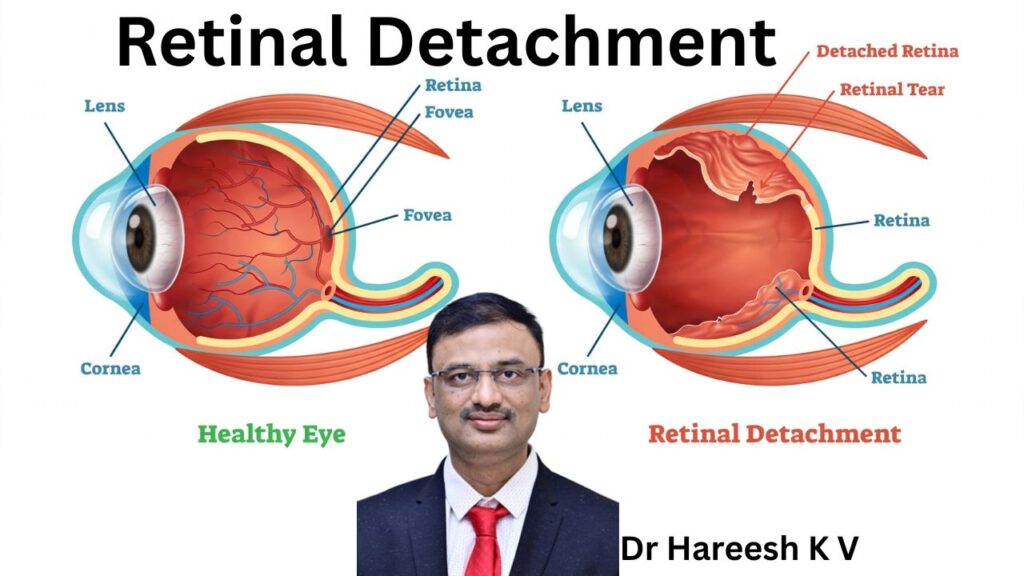
The eye is often described as a camera, but unlike a camera, it has a living layer at the back that converts light into signals for the brain. This delicate layer is called the retina. When the retina separates from the tissue supporting it, the condition is known as retinal detachment.
Retinal detachment is a medical emergency. Without prompt treatment, it can result in permanent vision loss in the affected eye. Knowing the warning signs and seeking immediate eye care can make a crucial difference.
What Is Retinal Detachment?
The retina is a thin, light-sensitive layer lining the back of the eye. It captures light and sends visual information to the brain through the optic nerve.
In retinal detachment, the retina becomes separated from its normal position. Once detached, it may not receive adequate oxygen and nutrients, causing retinal cells to become damaged.
Retinal detachment can occur suddenly and may initially affect only a small area of vision. However, it can progress rapidly.
Warning Signs You Should Never Ignore
Retinal detachment does not always cause pain. This can make the condition particularly dangerous because a person may delay seeking treatment.
Watch for these symptoms:
1. Sudden Increase in Floaters: Floaters are small spots, strings, cobweb-like shapes or shadows that appear to move across your field of vision. Occasional floaters can be harmless, but a sudden appearance of many new floaters may indicate a retinal tear or detachment.
2. Flashes of Light: Some people experience brief flashes or streaks of light, particularly in the peripheral vision. These flashes may occur when the retina is being pulled or irritated.
3. A Dark Curtain or Shadow: One of the most important warning signs is the appearance of a dark curtain, veil or shadow moving across part of the vision. This can indicate that retinal detachment is progressing.
4. Sudden Blurred or Reduced Vision: A sudden decrease in vision, especially in one eye, should never be dismissed as simple eye strain.
5. Loss of Peripheral Vision: You may notice that you cannot see objects clearly from the side of your affected eye. This loss can gradually spread toward the centre of vision.
Important: Sudden flashes, a sudden shower of floaters, a curtain-like shadow or unexplained vision loss require urgent examination by an ophthalmologist. Do not wait for the symptoms to disappear.
What Causes Retinal Detachment?
There are several types of retinal detachment, but a common cause is a retinal tear or hole.
As we age, the gel-like substance inside the eye, called the vitreous, naturally changes. Sometimes it pulls away from the retina. If this pulling creates a retinal tear, fluid can pass through the tear and collect underneath the retina, causing it to detach.
Other risk factors include:
• Increasing age
• Severe short-sightedness (high myopia)
• Previous eye surgery, including cataract surgery
• Previous retinal detachment in either eye
• Eye injury or trauma
• Certain retinal disorders
• A family history of retinal detachment
People with some of these risk factors should be particularly alert to sudden changes in vision.
Can Retinal Detachment Be Prevented?
Not every retinal detachment can be prevented. However, regular eye examinations can help identify retinal tears or other retinal problems before they progress.
People at higher risk should discuss the appropriate frequency of eye examinations with an eye specialist.
Protecting the eyes from serious injury is also important. Safety goggles or protective eyewear should be used during activities that could result in an eye injury.
How Is Retinal Detachment Diagnosed?
An ophthalmologist usually performs a detailed eye examination, often after dilating the pupil. The doctor examines the retina to look for tears, holes, bleeding or areas of detachment.
Depending on the situation, additional tests such as optical coherence tomography (OCT) or ocular ultrasound may be recommended.
How Is Retinal Detachment Treated?
Retinal detachment generally requires treatment to prevent further vision loss. The exact treatment depends on the location, size and severity of the detachment.
Laser Treatment or Cryotherapy: If a retinal tear or small break is identified before significant detachment occurs, laser treatment or freezing treatment (cryotherapy) may be used to create a scar around the affected area and help prevent fluid from passing through the tear.
Pneumatic Retinopexy: In selected cases, a small gas bubble is injected into the eye. The bubble helps push the detached retina back into position, while laser or freezing treatment seals the retinal tear.
Scleral Buckling: A flexible band may be placed around the outside of the eye to relieve the pulling forces on the retina and help it return to its normal position.
Vitrectomy: In more complicated cases, surgery called vitrectomy may be performed. The surgeon removes the vitreous gel and uses other techniques to repair the retinal detachment. A gas bubble or silicone oil may sometimes be used to help keep the retina in position during healing.
Why Early Treatment Matters
The outcome of treatment can depend on how much of the retina is detached and whether the central part responsible for detailed vision—the macula—is involved.
If the macula is still attached, urgent treatment may help preserve central vision. Once the macula becomes detached, recovery of detailed vision may be more limited, even after successful surgery.
This is why recognizing symptoms early is so important.
Don’t Wait for Pain
A common misconception is that a serious eye problem must cause severe pain. Retinal detachment is often painless. A person may feel perfectly well while their vision is being threatened.
That is why sudden visual symptoms deserve immediate attention—even when there is no pain.
Retinal detachment can threaten sight, but recognizing the warning signs can help you get treatment before permanent damage occurs. Sudden flashes of light, a sudden increase in floaters, a dark curtain or shadow, or sudden vision loss should never be ignored.
Also read articles of Dr Hareesh K V

Dr Hareesh K V
Medical director
Abhishek Nethradhama
Krupa Bindu, No.971/37, Mig 15Th A Cross, A Sector
Khb High Rise Apartment
Ambedkar Colony, Yelahanka New town
Bengaluru -64
Ph: 080-4093 3219/77957 15203
Eye Hospital in Yelahanka new town – Abhishek Nethradhama