
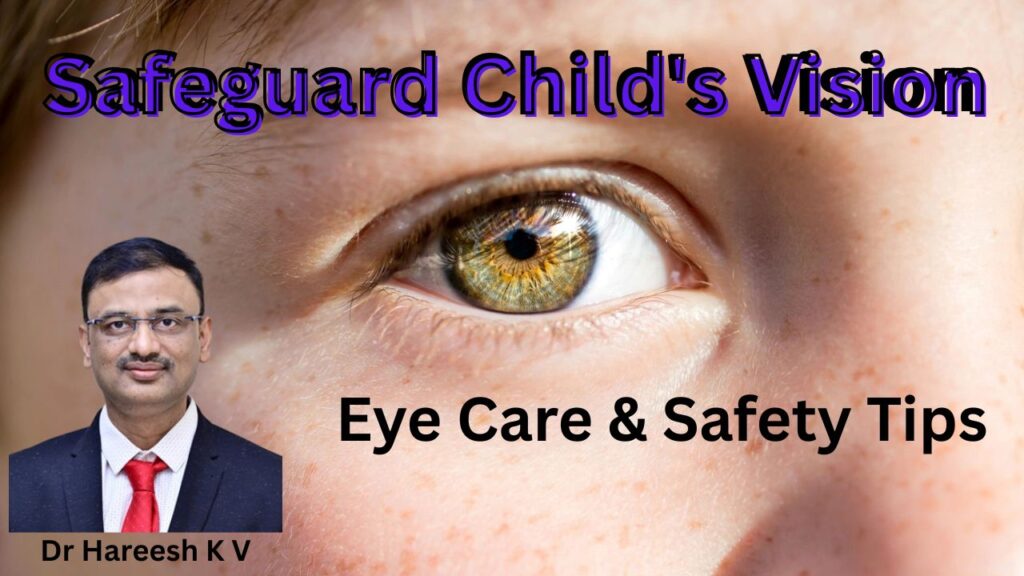
Safeguarding Your Child’s Vision: Essential Eye Care and Safety Tips. A child’s eyes are their window to the world. From recognizing faces and learning to read to exploring nature and playing with friends, healthy vision plays a vital role in every stage of a child’s growth and development. According to the World Health Organization, millions of children worldwide live with vision problems, many of which are preventable or treatable if detected early.
Why Eye Care Matters
Nearly 80% of a child’s learning happens through vision. Poor eyesight can affect academic performance, sports participation, confidence, and social interactions. Unfortunately, many children may not realize they have a vision problem because they assume everyone sees the way they do. Regular eye examinations are therefore essential, even when there are no obvious symptoms.
Common Eye Problems in Children
• Refractive errors such as nearsightedness (myopia), farsightedness (hyperopia), and astigmatism.
• Lazy eye (amblyopia), where one eye develops weaker vision.
• Squint (strabismus), in which the eyes are not properly aligned.
• Allergic conjunctivitis, especially during certain seasons.
• Digital eye strain caused by prolonged use of smartphones, tablets, and computers.
• Eye injuries during sports and recreational activities.
Early diagnosis significantly improves treatment outcomes for most of these conditions.
Warning Signs Parents Should Watch For
Parents should consult an eye specialist if a child frequently:
• Squints while reading or watching television.
• Complains of headaches or eye pain.
• Rubs the eyes excessively.
• Holds books or screens very close to the face.
• Tilts the head while focusing.
• Has watery, red, or sensitive eyes.
• Shows difficulty in school or poor concentration.
• Has one eye that turns inward or outward.
Prompt evaluation can prevent long-term vision problems.
Practical Eye Safety Tips
• Schedule Regular Eye Check-ups: Children should undergo eye examinations soon after birth, again before starting school, and periodically thereafter as advised by an ophthalmologist. Children with a family history of eye diseases may require more frequent evaluations.
• Limit Screen Time: Excessive digital screen exposure has become one of the biggest concerns for children’s eye health. Encourage the 20-20-20 rule: every 20 minutes, look at something 20 feet away for at least 20 seconds. Ensure proper lighting, maintain an appropriate viewing distance, and avoid screens at least one hour before bedtime.
• Encourage Outdoor Play: Research has shown that spending at least 1–2 hours outdoors daily may help reduce the risk of developing myopia in children. Outdoor activities also promote physical fitness and overall well-being.
Provide Eye-Friendly Nutrition
A balanced diet supports healthy vision. Include foods rich in:
• Vitamin A (carrots, sweet potatoes, spinach)
• Vitamin C (oranges, guava, strawberries)
• Vitamin E (almonds, sunflower seeds)
• Omega-3 fatty acids (fish, walnuts, flaxseeds)
• Lutein and zeaxanthin (green leafy vegetables, corn)
Good nutrition strengthens eye tissues and supports visual development.
Prevent Eye Injuries
Many childhood eye injuries occur during play. Parents should:
• Choose age-appropriate toys without sharp edges.
• Supervise children while using scissors, pencils, or craft tools.
• Ensure protective eyewear during sports such as cricket, badminton, squash, and cycling.
• Keep household chemicals and cleaning products out of children’s reach.
• Never allow children to play with fireworks without adult supervision.
Teach Good Eye Hygiene
Children should learn healthy habits early:
• Wash hands before touching the eyes.
• Avoid rubbing itchy or irritated eyes.
• Never share towels, handkerchiefs, or eye cosmetics.
• Follow proper contact lens hygiene if prescribed.
These simple practices help prevent infections.
Protect Eyes from Sunlight
Children spend considerable time outdoors. Wearing sunglasses that block 99–100% of UVA and UVB rays, along with a wide-brimmed hat, helps protect their developing eyes from harmful ultraviolet radiation.
When to Seek Immediate Medical Care
Seek urgent medical attention if a child experiences:
• An eye injury or blow to the eye.
• Sudden loss or decrease in vision.
• Severe eye pain.
• Chemical exposure.
• A foreign object lodged in the eye.
• Persistent redness with swelling or discharge.
Prompt treatment can prevent permanent vision damage.
Building Lifelong Healthy Vision
Protecting children’s eyesight is not just about preventing disease—it is about helping them achieve their full potential. Regular eye examinations, healthy eating, outdoor activities, safe play, limited screen time, and good eye hygiene together form the foundation of lifelong eye health.
Healthy eyes empower children to learn, explore, and dream with confidence. By making eye care a priority from an early age, parents can give their children one of life’s greatest gifts—the clear vision to see a brighter future.
Also read articles of Dr Hareesh K V

Dr Hareesh K V
Medical director
Abhishek Nethradhama
Krupa Bindu, No.971/37, Mig 15Th A Cross, A Sector
Khb High Rise Apartment
Ambedkar Colony, Yelahanka New town
Bengaluru -64
Ph: 080-4093 3219/77957 15203
Eye Hospital in Yelahanka new town – Abhishek Nethradhama