

Vegetarianism and Protein – By paying attention to protein intake, vegetarians can enjoy the full benefits of their diet—better health, stronger immunity, and sharper mental focus—without the drawbacks of deficiency.
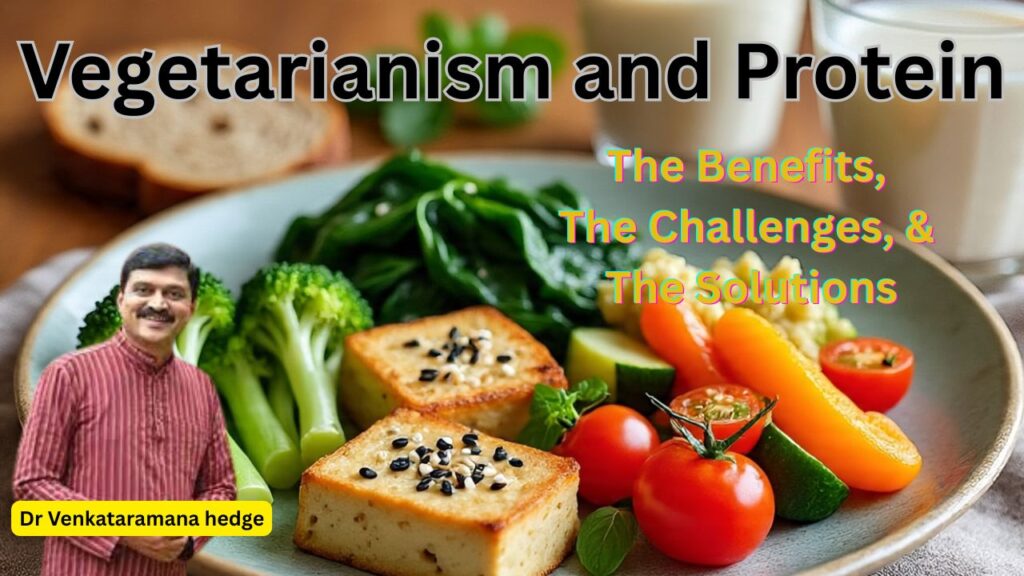
Vegetarianism is often praised for its positive effects on both the body and mind. A plant-based diet can lower the risk of chronic diseases, improve digestion, and promote overall well-being. However, like any lifestyle choice, it comes with its own challenges. The most important concern for vegetarians is ensuring adequate protein intake.
While non-vegetarians can easily meet their protein needs through meat, fish, and eggs, vegetarians have to plan their meals more carefully to get protein in both the right quantity and quality.
Why Protein Is Essential
Protein is one of the body’s most crucial building blocks. It plays a role in:
• Muscle growth and repair
• Supplying energy to cells
• Wound healing and tissue repair
• Proper functioning of organs
• Supporting immunity and enzyme activity
Protein is made up of smaller units called amino acids. Out of the 20 amino acids, our body can naturally produce 11, but the remaining 9 are known as essential amino acids because they must come from food.
Animal-based foods like meat, eggs, and dairy are considered complete proteins, as they provide all nine essential amino acids in the right proportions. Vegetarian sources, however, are often incomplete proteins, meaning they lack one or more of these essential amino acids. This is why vegetarians need to combine different food sources to ensure complete nutrition.
Protein Deficiency in Vegetarians
Studies and surveys show that protein deficiency is widespread, especially among vegetarians. This deficiency can lead to weakness, poor concentration, muscle loss, frequent illness, and even long-term health issues. For this reason, vegetarians need to be particularly mindful of their diet and include a variety of protein-rich foods.
Best Protein Sources for Vegetarians
1. Milk and Milk Products
• Dairy is one of the most reliable sources of complete protein for vegetarians.
• Cow’s milk (preferably from grass-fed cows) provides high-quality protein.
• Curd (yogurt) and cheese are rich in protein and aid digestion.
• Paneer (cottage cheese) is another excellent option for daily meals.
2. Pulses and Legumes
Pulses are a staple in most vegetarian diets and a powerhouse of protein.
• Lentils (masoor dal), chickpeas (chana), urad dal, mung beans, and peanuts all supply significant protein.
• While they may lack some essential amino acids, combining them with grains (like rice or wheat) ensures complete protein intake.
3. Nuts and Seeds
Nuts and seeds not only add protein but also healthy fats and micronutrients.
• Almonds, walnuts, chia seeds, flaxseeds, pumpkin seeds, sunflower seeds, sesame seeds are all highly nutritious.
• They can be consumed as snacks, added to smoothies, or sprinkled on salads and cereals.
4. Whole Grains
Refined grains often lose nutrients during processing, so unpolished grains are a better choice.
• Brown rice, oats, whole wheat, quinoa, and millets are rich in protein and fiber.
• Eating them regularly helps in balancing amino acid intake.
5. Soy and Soy Products
Soy is one of the few plant-based foods that provide complete protein.
• Soybeans, soy milk, tofu, and soy chunks are excellent choices, especially for those who avoid dairy.
How Much Protein Do We Need?
The general guideline is:
• 0.8 grams of protein per kilogram of body weight per day.
For example, a person weighing 70 kg needs at least 56 grams of protein daily.
• People engaged in heavy physical activity, sports, or strength training may need more.
Practical Tips for Vegetarians
• Mix and match foods – Pair pulses with rice or wheat for complete protein.
• Include dairy or soy daily – These provide complete protein.
• Snack smartly – Carry nuts or roasted seeds instead of processed foods.
• Choose whole grains – Avoid polished rice or refined flour whenever possible.
• Plan your meals – Ensure variety across the week rather than relying on one food group.
Being vegetarian does not mean you have to compromise on protein. With a thoughtful diet that includes milk, soy, pulses, nuts, seeds, and whole grains, vegetarians can easily meet their protein needs. The key is balance and variety.

Dr Venkataramana Hegde
Veda Wellness Center
Nisarga Mane, Sirsi
Uttarakannada District
Ph:9448729434