

Rheumatoid arthritis (RA) is a autoimmune disorder that can affect the entire body and lead to long-term complications if neglected. This condition not only damages the joints but can also affect the heart, lungs, eyes, nerves, and overall quality of life.
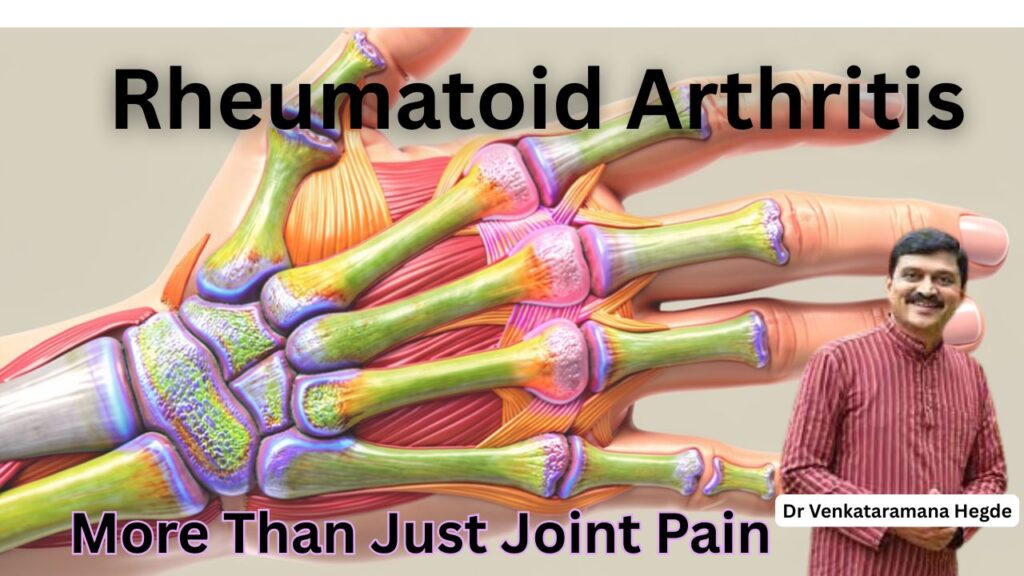
Many people think rheumatoid arthritis is simply “joint pain” caused by aging or excessive work. But, Rheumatoid arthritis is a chronic autoimmune disease in which the body’s immune system mistakenly attacks its own healthy tissues, especially the synovium — the thin protective lining surrounding the joints. Normally, the immune system protects the body from harmful bacteria, viruses, and infections. However, in rheumatoid arthritis, the immune system becomes overactive and begins attacking the joints themselves.
This attack causes inflammation, pain, stiffness, swelling, and eventually destruction of cartilage and bones. Over time, untreated rheumatoid arthritis may lead to joint deformities and loss of mobility. Unlike ordinary arthritis, rheumatoid arthritis is systemic, meaning it can affect the entire body.
How Does Rheumatoid Arthritis Develop?
In a healthy person, the immune system works like a defence army. In rheumatoid arthritis, this defence system becomes confused and starts attacking the body’s own tissues. White blood cells accumulate in the joints and release inflammatory chemicals. These chemicals cause:
• Swelling of the joint lining
• Thickening of the synovium
• Damage to cartilage
• Weakening of ligaments and tendons
• Erosion of bones
As the disease progresses, the joints lose their normal shape and function.
The condition commonly affects – Fingers, Wrists, Toes, Ankles, Elbows, and Knees. It usually affects both sides of the body equally.
Common Symptoms
The symptoms may begin slowly and worsen over time. Common signs include:
• Morning Stiffness – Stiffness in the joints after waking up is one of the earliest symptoms. The stiffness may last for more than 30 minutes or even several hours.
• Joint Pain and Swelling – Painful swelling in the fingers, wrists, ankles, and toes is common. The joints may feel warm and tender.
• Difficulty in Cold Weather – Symptoms often worsen during cold weather or when working in cold water.
• Fatigue and Weakness – Many patients experience tiredness, body discomfort, and reduced energy levels.
• Mild Fever – Some individuals may develop low-grade fever due to ongoing inflammation.
• Reduced Joint Movement – As inflammation progresses, daily activities such as holding objects, climbing stairs, or walking may become difficult.
Can Rheumatoid Arthritis Affect Other Organs?
Yes. Rheumatoid arthritis is not limited to the joints alone. If not treated properly, it may affect:
• Heart – increasing risk of heart disease
• Lungs – causing inflammation or breathing problems
• Eyes – leading to dryness and irritation
• Blood vessels and nerves
• Skin and muscles
Therefore, early diagnosis and proper management are extremely important.
Natural and Supportive Ways to Manage Rheumatoid Arthritis
Although rheumatoid arthritis may not have a complete permanent cure, proper lifestyle modifications, medical treatment, and natural therapies can significantly reduce symptoms and improve quality of life.
• Anti-Inflammatory Foods – Diet plays a major role in controlling inflammation.
• Omega-3 Fatty Acids – Omega-3 fatty acids help reduce inflammation naturally. They suppress inflammatory cells responsible for joint damage. Good sources include – Flaxseeds, Walnuts, Chia seeds, and Fish oil supplements. Including these regularly in the diet may help reduce joint stiffness and swelling.
Ayurvedic Perspective on Rheumatoid Arthritis
According to Ayurveda, rheumatoid arthritis is often associated with the accumulation of “Ama” (toxins) along with aggravated Vata dosha.
The Power of Turmeric
Turmeric contains an active compound called curcumin, which is known for its powerful anti-inflammatory properties.A simple remedy:
• Mix one teaspoon of turmeric with warm water
• Add two pinches of black pepper powder
• Drink daily
Black pepper improves the absorption of curcumin in the body.
Ginger Tea for Pain Relief
Ginger contains natural compounds called gingerols that help reduce pain and inflammation. You can prepare herbal ginger tea by boiling – Ginger, Cumin, Coriander, and Cinnamon. Strain the infusion, cool slightly, and add honey before drinking. This herbal drink may help reduce swelling, stiffness, and discomfort.
Heat Therapy – Applying warmth to affected joints helps – Dilate blood vessels, improve circulation, relax stiff muscles, and Reduce pain. Warm compresses or heating pads can provide significant relief, especially during cold weather.
Epsom Salt Therapy – Epsom salt is rich in magnesium, which helps calm the nervous system and relax muscles. Adding Epsom salt to lukewarm water and soaking the affected joints may help – Reduce swelling, Relax muscles, and Ease pain and stiffness.
Castor Oil Therapy – Castor oil is one of the beneficial remedies for arthritis. Methods commonly used include:
• Applying warm castor oil externally on painful joints
• Gentle heat application after massage
• Internal use under medical supervision to improve bowel movements and reduce toxin accumulation
Proper Ayurvedic guidance is essential before internal consumption.
Panchakarma Therapies- Panchakarma treatments are considered highly supportive in chronic inflammatory disorders. Among them – Basti therapy, Abhyanga, and Swedana – may help reduce stiffness, improve mobility, and support detoxification.
Importance of Exercise and Movement
Complete rest is not advisable in rheumatoid arthritis. Gentle movement helps maintain flexibility and muscle strength. Recommended Activities – Swimming, Cycling, Walking, and Stretching exercises. These low-impact exercises strengthen muscles without putting excess pressure on the joints.
Role of Yoga and Meditation
Yoga and mind-body practices can greatly help patients cope with chronic pain and stress. Helpful practices include: Gentle yoga asanas, Pranayama, Mudras, and Meditation. These improve – Flexibility, Blood circulation, Mental calmness, and Stress management. Stress reduction is important because stress can worsen autoimmune inflammation.
Living Positively with Rheumatoid Arthritis
It is a lifelong condition for many individuals, but it does not mean life has to stop. With:
• Proper diet
• Regular exercise
• Timely medications
• Natural therapies
• Positive mental health
• Consistent medical guidance
many patients can successfully manage symptoms and lead active, fulfilling lives. Early diagnosis and a disciplined lifestyle are the keys to preventing complications and protecting the joints from permanent damage.
Rheumatoid arthritis is much more than ordinary joint pain. It is a complex autoimmune disease that requires long-term care and awareness. Ignoring the symptoms can lead to severe joint damage and complications affecting other organs. However, combining modern medical care with healthy nutrition, Ayurvedic support, physical activity, and stress management can bring remarkable improvement. The journey may be challenging, but with the right approach, patience, and consistency, better health and comfort are truly possible.
Also Read : Dr Venkatramana Hegde articles

Dr Venkataramana Hegde
Veda Wellness Center
Nisarga Mane, Sirsi
Uttarakannada District
Ph:9448729434