


Boosting Brain Health – Essential Nutrients for Children: With these dietary adjustments, you can provide your child with the tools needed for optimal brain function, focus, and memory.
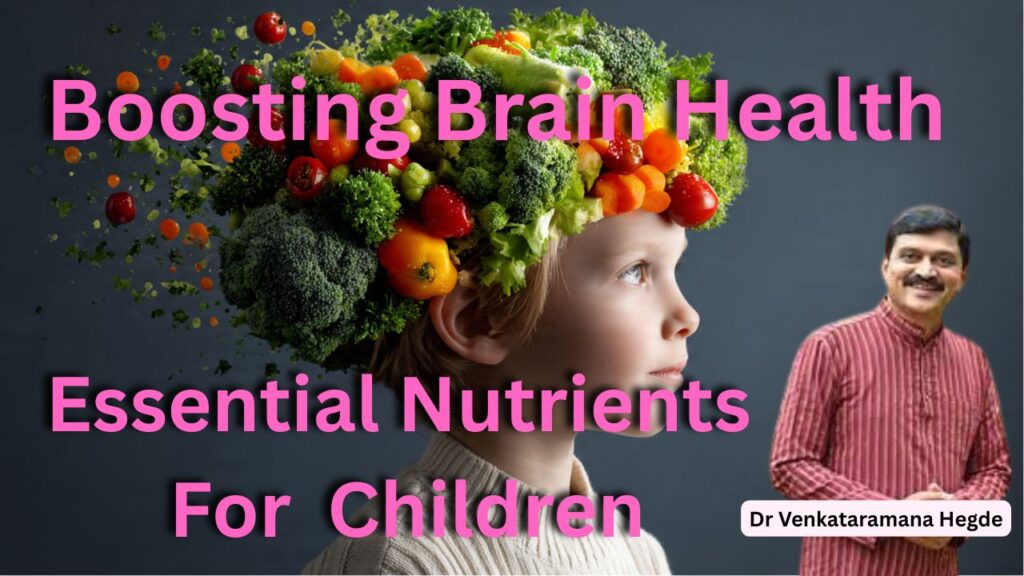
Many parents seek ways to enhance their children’s mental clarity, focus, and overall cognitive health. Nutritional support is one of the most impactful strategies. Here’s a guide on eight essential nutrients that play a crucial role in children’s brain development and health.
1. Vitamin B12: Supporting Nerve Health
Vitamin B12 is critical for nerve health, as it helps maintain the protective covering around nerves. Deficiencies in this vitamin can lead to issues like numbness, forgetfulness, and reduced focus. While meat sources are rich in B12, vegetarian options include milk and curd in substantial amounts.
2. Omega-3 Fatty Acids: Essential for Cognitive Growth
Omega-3, particularly DHA, is a powerhouse for brain development. It’s especially abundant in fish, making it a staple for brain health. Vegetarians can incorporate flaxseeds, walnuts, and chia seeds to boost Omega-3 intake.
3. Vitamin B6: Building Neurotransmitters
Vitamin B6 is key in producing neurotransmitters like dopamine, serotonin, and GABA, which are critical for mood regulation and cognitive function. It’s found in indigenous cow’s milk, green onions, and squash, which can enhance children’s concentration and memory.
4. Magnesium: Preventing Stress and Seizures
Magnesium not only reduces stress and panic attacks in children but also shows benefits for those with epilepsy. This mineral is found in pumpkin seeds, almonds, cashews, walnuts, and dark chocolate, making it easy to incorporate into snacks.
5. Zinc: Enhancing Oxygen Flow to the Brain
Zinc is essential in managing oxygen levels in the brain, thereby supporting overall cognitive function. Pumpkin seeds, sesame seeds, and whole grains are rich sources of zinc, making them easy additions to meals for improved mental clarity.
6. Vitamin B2: Protecting Brain and Nerve Health
Vitamin B2 (riboflavin) is vital for brain protection, preserving memory, and ensuring nerve health. Fish, meat, milk from domestic cows, spinach, and saffron are good sources of B2, supporting brain resilience during exam preparations.
7. Good Fats: Fuelling Brain Power
Healthy fats like those found in ghee, sesame oil, and coconut oil are vital for brain cell membranes, providing the brain with energy and protection. A diet rich in good fats promotes better brain function, memory retention, and overall cognitive health.
8. Vitamin C: Fighting Brain Fog and Improving Sensory Communication
Vitamin C is an antioxidant powerhouse that helps prevent brain fog, supports nerve health, and enhances sensory communication between nerves. Citrus fruits like oranges, kiwi, and Indian gooseberry are rich in Vitamin C, providing the brain with the resources it needs to stay sharp.
Making Nutritional Changes: A Few Tips
Providing children with a balanced diet that incorporates these nutrients can bring noticeable improvements in cognitive abilities and focus. Some tips to make these foods a part of your child’s routine:
• Include diverse sources: Offering a variety of foods, from leafy greens to nuts, ensures they receive a full spectrum of nutrients.
• Healthy snacks: Nuts, seeds, and fruits rich in Vitamin C make easy snacks that are both nutritious and brain-boosting.
• Whole foods over processed: Nutrients from whole foods have greater bioavailability, which supports better absorption.

Dr Venkataramana Hegde
Veda Wellness Center
Nisarga Mane, Sirsi
Uttarakannada District
Ph:9448729434