Lung cancer is a complex disease influenced by many factors beyond smoking. Focusing only on smoking as a cause does a disservice to the many who face it despite being non-smokers.
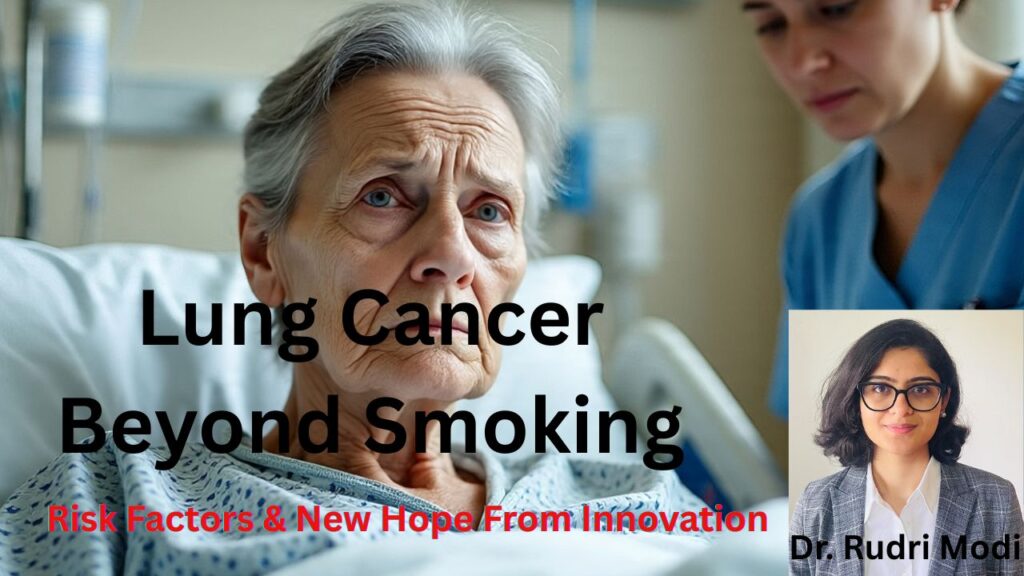

Lung cancer remains one of the most prevalent and deadliest forms of cancer globally. While smoking is widely recognised as a primary cause, in recent years, cases of lung cancer among non-smokers have been on the rise, particularly among women. Environmental and occupational exposures, genetic predispositions, and lifestyle choices are among the factors that can be attributed to the development of this disease. Raising awareness and enhancing understanding of the risk factors is essential to improving prevention, early detection, and outcomes.
Risk factors beyond tobacco
One of the most pressing concerns in urban and industrial regions is air pollution. Fine particulate matter (PM2.5), nitrogen dioxide, and other toxic pollutants have been found to cause cellular damage in the lungs, increasing the risk of cancer. Long-term exposure, particularly in densely populated cities, has been associated with a significant rise in lung-related illnesses, including cancer.
Occupational exposure is another critical but often overlooked factor. Workers in mining, construction, manufacturing, and other industries are often exposed to carcinogens such as asbestos, silica dust, and radon gas. Prolonged contact with these substances, especially in unregulated environments, raises the likelihood of developing lung cancer, often years after exposure.
Radon gas, a naturally occurring radioactive gas, is an under-recognised threat in residential settings. Invisible and odourless, it can seep into homes through cracks in floors and walls. Inhalation of radon over extended periods can cause significant lung damage and is the second leading cause of lung cancer in many countries.
Genetic factors can also contribute to lung cancer. Although inherited mutations alone do not necessarily lead to cancer, they can increase vulnerability when combined with environmental triggers.
Emerging trends in recreational smoking practices are also concerning. The increasing popularity of vaping and hookah, especially among youth, has introduced new health risks. These alternatives are often marketed as safer than cigarettes, but they still deliver harmful substances into the lungs, with long-term effects yet to be fully understood.
Prevention and early action
Like any disease, prevention remains the most powerful defence against lung cancer. Avoiding exposure to polluted environments, ensuring occupational safety, testing homes for radon, and discouraging non-essential use of vaping products are key health strategies. Importantly, symptoms such as a persistent cough, breathlessness, or unexplained chest pain should prompt immediate medical evaluation. Maintaining a healthy lifestyle, with balanced nutrition and regular exercise, is an important aspect of reducing the risk of cancer.
Advancing treatment through innovation
At Cadila Pharmaceuticals, we are committed to advancing cancer care through research-driven innovation. One such breakthrough, India’s first indigenously developed immunotherapy for a specific subtype of lung cancer, Desmocollin-3 (DSC3) expressing squamous non-small cell lung cancer (NSCLC). This therapy, powered by heat-killed Mycobacterium w, works by modulating the tumour microenvironment to stimulate a targeted immune response. It enhances T-cell activity while reducing immunosuppressive elements within the tumour, offering new hope for patients with limited treatment options.
Final thoughts
Lung cancer is a complex disease influenced by many factors beyond smoking. Focusing only on smoking as a cause does a disservice to the many who face it despite being non-smokers. By increasing our understanding of the risk factors and focusing on both prevention and innovation, we can move towards a future where lung cancer can be more effectively prevented and treated.


Dr. Rudri Modi
Assistant General Manager, Medical Affairs
Cadila Pharmaceuticals Limited


