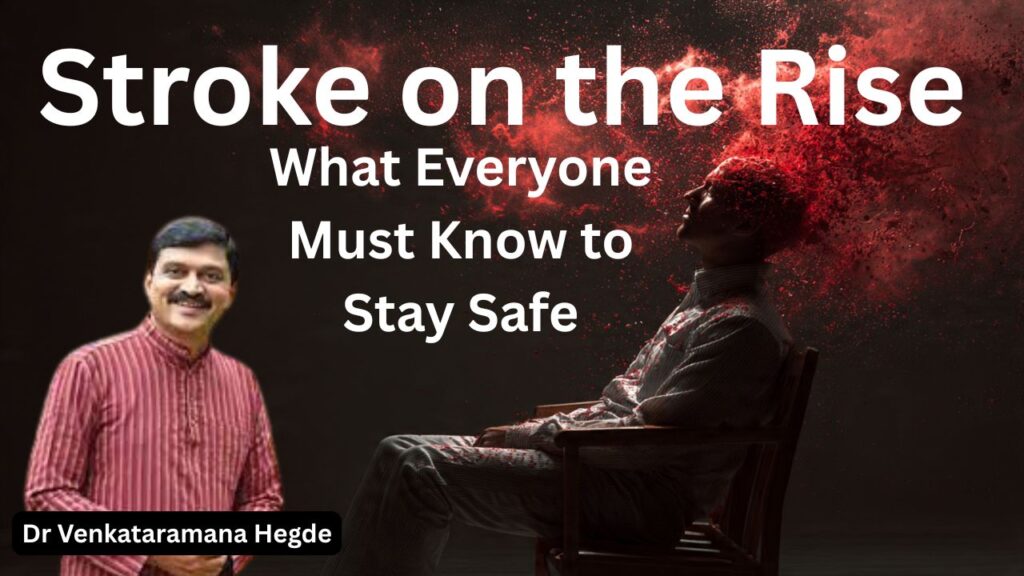
Stroke on the Rise: What Everyone Must Know to Stay Safe. In recent years, the incidence of stroke—commonly known as a brain stroke—has been steadily increasing across the world, including in countries like India. Changing lifestyles, rising stress levels, unhealthy diets, and chronic diseases are major contributors.

What Is a Stroke and How Does It Occur?
A stroke occurs when blood flow to a part of the brain is disrupted. The brain needs a continuous supply of oxygen and nutrients through blood. If this supply is interrupted—even for a few minutes—brain cells begin to die.
There are two main types of stroke:
1. Ischemic Stroke (Blockage Type): This is the most common type of stroke. It happens when a blood vessel supplying the brain becomes blocked.
It can occur in three main ways:
• Clot formation inside the blood vessel: Due to unhealthy diet, high cholesterol, lack of exercise, or other lifestyle issues, fatty deposits can build up in the arteries. This narrows the blood vessels and forms clots that block blood flow.
• Clot traveling from another part of the body: Sometimes, a clot formed in the heart or elsewhere travels through the bloodstream and gets stuck in a smaller artery in the brain.
• Transient Ischemic Attack (TIA): Often called a “mini-stroke,” this is a temporary blockage of blood flow. Symptoms may last only a few minutes or hours and then disappear. However, TIA is a serious warning sign of a major stroke in the future.
2. Hemorrhagic Stroke (Bleeding Type)
This type occurs when a blood vessel in the brain bursts, causing bleeding inside or around the brain. The most common reason for this is uncontrolled high blood pressure (BP). When blood pressure remains high for a long time, it weakens the blood vessel walls, making them more likely to rupture.
Hemorrhagic strokes are often more severe and can have serious consequences.
Who Is at Higher Risk?
People with the following conditions must be especially careful:
• High blood pressure
• Diabetes
• Heart disease
• High cholesterol
• Obesity
• Family history of stroke
If these conditions are ignored and not treated properly with medication and lifestyle changes, the risk of stroke increases significantly.
Common Mistakes That Lead to Stroke
Several unhealthy habits contribute to stroke:
• Smoking and tobacco use
• Excessive alcohol consumption
• Lack of physical activity
• Frequent junk food consumption
• High mental stress
• Irregular eating and sleeping habits
• Sudden and unhealthy changes in daily routine
Over time, these habits damage blood vessels and increase the risk of both ischemic and hemorrhagic strokes.
How Can Stroke Be Prevented?
The good news is that most strokes are preventable.
Here’s how:
• Control blood pressure and diabetes regularly
• Maintain healthy cholesterol levels
• Eat a balanced diet rich in fruits, vegetables, and whole grains
• Exercise at least 30 minutes’ daily
• Avoid smoking and limit alcohol
• Manage stress through meditation, yoga, or relaxation techniques
• Visit your family doctor every 5–6 months for regular check-ups and basic tests
Early detection and control of risk factors can significantly reduce the chances of stroke.
What to Do If a Stroke Occurs?
A stroke is a medical emergency. Immediate hospital admission is crucial. Delays in treatment can cause permanent brain damage.
Doctors may provide:
• Clot-dissolving medications (for ischemic stroke)
• Surgery (in cases of severe bleeding or major vessel defects)
• Blood pressure control and supportive care
• Early treatment improves survival and recovery chances.
Recovery After Stroke
Recovery can take six months to one year, depending on severity. Rehabilitation plays a major role.
Helpful treatments include:
• Physiotherapy (exercise therapy) to regain strength and movement
• Speech therapy (if speech is affected)
• Occupational therapy for daily activities
• Supportive therapies like yoga and breathing exercises (pranayama)
Some traditional approaches such as Panchakarma therapies—Virechana, Basti, and Nasyakarma—along with acupressure and natural therapies, may support recovery when used alongside modern medical treatment and under professional guidance.
Yoga, especially certain pranayama techniques and mudras, can help in prevention and improve overall brain health.
Stroke is a serious but largely preventable condition. The key lies in awareness, early diagnosis, healthy lifestyle choices, and regular medical follow-up. Prevention is always better than cure. But if a stroke does occur, timely treatment and proper rehabilitation can help the patient regain independence and improve quality of life. Taking care of your brain today can protect your future tomorrow.
Also Read : Dr Venkatramana Hegde articles

Dr Venkataramana Hegde
Veda Wellness Center
Nisarga Mane, Sirsi
Uttarakannada District
Ph:9448729434


