Pancreatic cancer-how to prevent it? It’s not always possible to prevent pancreatic cancer, but certain lifestyle changes may help to reduce risk like quit smoking, maintain a healthy weight, exercise regularly and eat a healthy diet.
Pancreatic cancer is one of the severe cancers. It feasts quickly and is rarely detected in its early stages, a main reason that’s leading to the cause of cancer death. Signs and symptoms may not be noticed until the disease is quite progressive. By then, the cancer probable would have spread to other parts of the body and making surgical removal impossible.
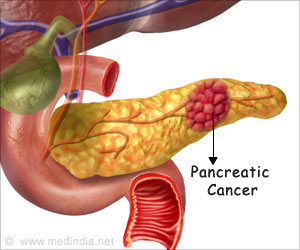

For years, little was known about pancreatic cancer. But now researchers started to comprehend the genetic root of the disease — information that may ultimately helpful for new and better managements. Person can reduce risk of pancreatic cancer with some changes in lifestyle.
Signs and symptoms
Pancreatic cancer do not show any signs and symptoms until disease is advanced. When symptoms do appear, they may include:
- Upper abdominal pain that may radiate to your middle or upper back. Pain may be constant or intermittent and is often worse after eating or when lying down.
- Loss of appetite and unintentional weight loss. because cancerous (malignant) cells deprive healthy cells of nutrients.
- Yellowing of skin and the whites of eyes (jaundice). About half of people with pancreatic cancer develop jaundice, which occurs when bilirubin, a breakdown product of worn-out blood cells, accumulates in blood. Normally, bilirubin is eliminated in bile, a fluid produced in liver. But if a pancreatic tumor blocks the flow of bile, excess pigment from bilirubin may turn skin and the whites of eyes yellow. In addition, urine may be dark brown and stools white or clay-colored. Although jaundice is a common sign of pancreatic cancer, it’s more likely to result from other conditions, such as gallstones or hepatitis.
- Itching. In the later stages of pancreatic cancer, one may develop severe itching when high levels of bile acids, another component of bile, accumulate in skin.
- Nausea and vomiting. In advanced cases of pancreatic cancer, the tumor may block a portion of digestive tract, usually the upper portion of small intestine (duodenum), causing nausea and vomiting.
- Digestive problems. When cancer prevents pancreatic enzymes from being released into intestine, you’re likely to have a hard time digesting foods — especially those high in fat. Eventually, this may lead to significant weight loss and malnutrition.
Causes
Pancreas is about 6 inches long and looks something like a pear lying on its side. The wider end (head) is located near the centre of abdomen next to the upper part of small intestine (duodenum). The central part (body) of pancreas extends beyond abdomen, and narrow end (tail) is on left side, after spleen.
A part of digestive system, pancreas performs two vital roles.
It produces digestive juices and enzymes which is necessary for breaking down of carbohydrates, proteins and fats that food can be processed in small intestine.
It secretes the hormones insulin and glucagon that regulate the way body metabolizes sugar (glucose).
Pancreas has cells that manufacture digestive enzymes and juices. Pancreatic juices flow into the main pancreatic duct, which leads to small intestine (duodenum). The pancreatic duct links up with the tube connecting from gallbladder to form the common bile duct, which later drains into the small intestine. Pancreas also contains small “islands” of cells that secrete the hormones.
When to seek medical advice
See doctor if patient experience an unexplained weight loss, abdominal pain or jaundice. Many problems other than cancer may cause similar signs and symptoms, so doctor will check for these conditions as well as for pancreatic cancer.
Screening and diagnosis
Sensing pancreatic cancer in its initial stages is tough. Signs and symptoms generally don’t appear until the cancer is big or has feast (metastasized) to other tissues. Pancreas is quite unseen — pushed behind abdominal and inside a ring of small intestine — small tumors can’t be seen or touched through routine exams. It can be can be detected by a blood test. But when blood levels are sufficient to be measured, the cancer is no longer in its initial stages. Presently there is no effective screening trial for pancreatic cancer. If doctor doubts pancreatic cancer, patient may have to undergo one or more tests to detect the cancer: viz Ultrasound imaging. Computerized tomography (CT) scans Magnetic resonance imaging (MRI), Endoscopic retrograde cholangiopancreatiography (ERCP). Endoscopic ultrasound (EUS), Percutaneous transhepatic cholangiography (PTC), Biopsy and Laparoscopy.
Complications
Your pancreas produces a number of enzymes that break down food so your body can absorb the nutrients it contains. But pancreatic tumors frequently affect the fabrication of these enzymes. As an outcome, body can’t easily absorb nutrients, which may cause diarrhea or even severe weight loss.
Other complications of pancreatic cancer include:
Problems with glucose metabolism including diabetes.
Jaundice, sometimes with severe itching
Large pancreatic tumors may press on surrounding nerves, leading to back or abdominal pain that may sometimes be severe.
Pancreatic tumors are rarely discovered in the early stages, they often have time to spread to a number of vital organs, including your stomach, spleen, liver, lungs and intestine or to nearby lymph nodes.
Treatment
Treatment for pancreatic cancer depends on the stage and location of the cancer as well as on your age, overall health and personal preferences. Particularly when cancer is progressive, picking a treatment idea is a chief decision, and it’s vital to cautiously estimate choices.
Seeking a second opinion is the best option. This can provide extra facts to help to be more certain about the option you’re considering.
The primary goal of action is always to remove the cancer entirely. When that isn’t possible, the effort may be on stopping the tumor from developing or triggering more harm. In some cases, an approach called palliative care may be best. Palliative care states that treatment meant not at eliminating or slowing the disease but assisting to relieve symptoms and making as relaxed as possible.
Surgical options: The main route to eliminate pancreatic cancer is an operation to take out the tumor. Unfortunately, this is possible only in a small percent of people. Once the cancer has blowout beyond the pancreas to other organs, lymph nodes or blood vessels, surgery is customarily no longer a choice. Operations for pancreatic cancer are complex. The most effective results usually take place when these procedures are done in cancer centers by extremely skilled surgeons.
Radiation therapy: Radiation therapy uses high-energy X-rays to terminate cancer cells. Patient may get radiation treatments before or after cancer surgery, often with chemotherapy. Or, doctor may prescribe blend of radiation and chemotherapy treatments when cancer can’t be treated surgically.
Chemotherapy: Chemotherapy uses drugs to kill cancer cells. Vaccinated into a vein or taken verbally, these drugs travel through bloodstream.
Palliative procedures: If cancer has spread too far to be entirely removed by an operation, the prime goal will be to get rid of signs and symptoms. Treatments that focus on making you more comfortable include Surgical bypass, Stent insertion, Pain management, pancreatic enzyme tablets, and Insulin therapy.
New treatments: Researchers are studying a number of other approaches to treating pancreatic cancer, including Anti-angiogenesis factors, Farnesyl transferase inhibitors, Growth factor inhibitors.
Prevention
Although it’s not always possible to prevent pancreatic cancer, these lifestyle changes may help reduce risk:
- Quit smoking. Cigarette smoke contains carcinogens that can damage the DNA that regulates cell growth. Talk to doctor about the best ways to quit or contact the American Cancer Society or American Lung Association for more information.
- Maintain a healthy weight. Being overweight increases your risk of pancreatic cancer. For lose weight, slow and steady is the healthiest way to reach goals. Aim for no more than 1 to 2 pounds a week. Add 30 minutes or more of aerobic exercise — such as walking, jogging or biking — on most days, and can increase the amount of weight lost.
- Exercise regularly. Experts believe that getting even a moderate amount of exercise every week can cut risk of pancreatic cancer. For overall health, aim for 30 minutes of exercise on most days. If not used to exercising, start out slowly and work up to goal.
- Eat a healthy diet. A diet high in fruits and vegetables and low in animal fat can reduce risk of pancreatic cancer.


Dr. Chalapathy
Professor of General Surgery
Vydehi Hospital
Whitefield, Bangalore – 66
Ph: 080-28413381/2/3/4
www.vims.ac.in


