Navara Red Rice – Nourishing the Body, Preserving Tradition. A traditional rice variety with deep roots in Kerala’s food and Ayurvedic heritage, Navara red rice is gaining renewed attention as people rediscover the value of traditional grains.
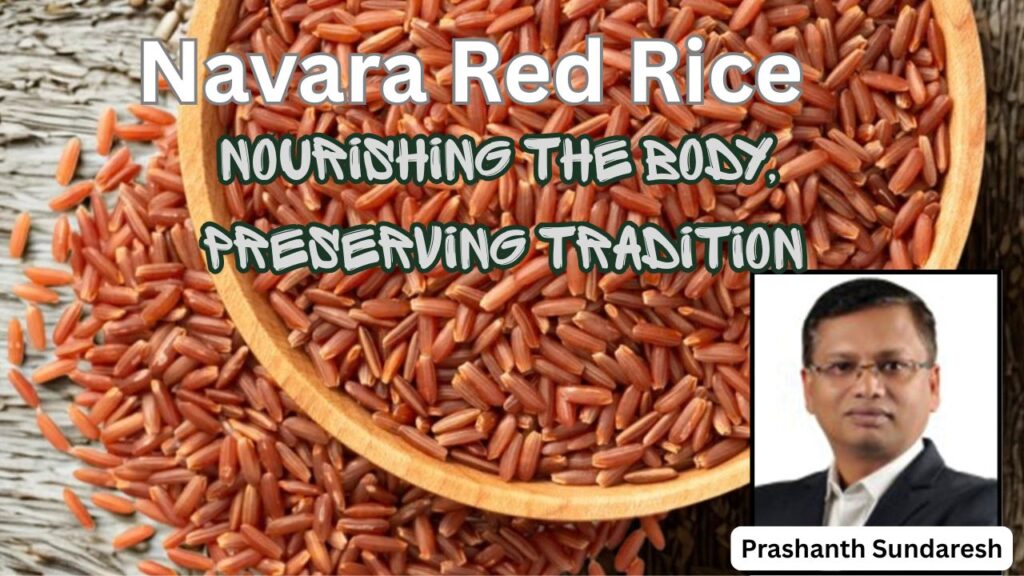

Rice has been a staple food across India for generations, but not all varieties are nutritionally identical. Among the traditional varieties, Navara red rice, also known as Njavara, holds a special place. Traditionally cultivated in South India, this short-grained rice is valued for its distinctive colour, taste and cultural significance.
A Grain with a Rich Heritage
Navara has been cultivated in Kerala for centuries and is closely associated with traditional Ayurvedic practices. It has traditionally been used in various preparations, including nourishing rice-based foods and therapeutic applications.
What Makes Navara Red Rice Different?
The reddish colour of Navara comes from naturally occurring plant compounds present in the outer layers of the grain. When rice is less polished, more of these outer layers are retained. Compared with highly polished white rice, traditionally processed red rice can provide more dietary fibre and naturally occurring micronutrients, although the exact nutritional composition varies according to cultivation, processing and preparation. The outer layers of whole or minimally processed rice can also contain various plant compounds, including phenolic compounds and other antioxidants.
A Source of Dietary Fibre
One of the advantages of choosing less-refined rice is its fibre content. Dietary fibre supports normal digestive function and can contribute to a feeling of fullness after meals. Replacing some refined grains with whole or minimally processed grains can be part of an overall balanced eating pattern. However, simply changing the variety of rice does not make a diet automatically healthy. Portion size and the foods eaten alongside rice also matter.
Traditionally Valued for Nourishment
One well-known traditional preparation is Navara rice cooked with milk, while Navara rice is also used in Njavara kizhi, a traditional Ayurvedic treatment involving cooked rice bundles. These traditional practices are part of India’s cultural and medical heritage.
How Can You Include Navara in Your Diet?
Navara red rice can be prepared much like other rice varieties, although cooking time and water requirements may differ depending on how the grain has been processed. It can be enjoyed with:
• Vegetable-based curries and sambar
• Dal and pulses
• Leafy green vegetables
• Fish or other protein-rich foods
• Curd or other suitable dairy foods
• Vegetable-based rice dishes
Combining rice with vegetables, pulses and protein can create a more balanced meal than consuming a large portion of rice alone.
Traditional Food for a Modern Lifestyle
Modern diets often rely heavily on highly refined grains and processed foods. Bringing traditional grains such as Navara into the diet can be one way of increasing dietary variety while reconnecting with India’s rich agricultural heritage. It contains carbohydrates and so contributes to total calorie intake. People managing diabetes, weight or other dietary concerns should consider their overall meal pattern and individual nutritional needs.
Preserving More Than a Grain
Navara represents more than food. It reflects generations of farming knowledge, regional culinary traditions and India’s diverse agricultural heritage. Supporting traditional grains can help maintain crop diversity and preserve food traditions for future generations.
Also read: Articles from Prashanth Sundaresh

Prashanth Sundaresh
Co founder and operations head, Woodified Natura
65/2, 6th Cross, Kaveri Pura, Bengaluru – 560079
E-mail: prashanth@woodifiednatura.in
Ph: 91485 43303/ 9845764343
https://woodifiednatura.in


