Mental health care is one of the most neglected areas of public health. Three important ways to improve your mental fitness are to get physical, eat right, and take control of stress.
World Mental Health Day is observed on 10th October every year, to raise awareness of mental health issues around the world and mobilize efforts in support of mental health. Mental health is one of the most neglected areas of public health. About 1 billion people are living with mental disorders; 3 million people die every year from the harmful use of alcohol, and one person dies every 40 seconds by suicide. Social stigma, discrimination, and human rights abuses of people with mental health conditions further precipitate the situation of mental health disorders.

Significance and theme
Due to Covid, pandemic has had a major impact on people’s mental health. During the World Health Assembly in May 2021, governments from around the world recognized the need to scale up quality mental health services at all levels.And some countries have found new ways of providing mental health care to their populations.
What Is Mental Health?
Mental health includes our emotional, psychological, and social well-being. It affects how we think, feel, and act. It also helps determine how we handle stress, relate to others, and make choices. Mental health is important at every stage of life, from childhood and adolescence through adulthood. Over the course of your life, if you experience mental health problems, you’re thinking, mood, and behaviour could be affected. Many factors contribute to mental health problems.
Why is mental health important?
Mental health is important because it can help you to
- Cope with the stresses of life
- Be physically healthy
- Have good relationships
- Make meaningful contributions to your community
- Work productively
- Realize your full potential
Your mental health is also important because it can affect your physical health. For example, mental disorders can raise your risk for physical health problems such as stroke, type 2 diabetes, and heart disease.
Early Warning Signs
Not sure if you or someone you know is living with mental health problems? Experiencing one or more of the following feelings or behaviors can be an early warning sign of a problem:
- Eating or sleeping too much or too little
- Pulling away from people and usual activities
- Having low or no energy
- Feeling numb or like nothing matters
- Having unexplained aches and pains
- Feeling helpless or hopeless
- Smoking, drinking, or using drugs more than usual
- Feeling unusually confused, forgetful, on edge, angry, upset, worried, or scared
- Yelling or fighting with family and friends
- Experiencing severe mood swings that cause problems in relationships
- Having persistent thoughts and memories you can’t get out of your head
- Hearing voices or believing things that are not true
- Thinking of harming yourself or others
- Inability to perform daily tasks like taking care of your kids or getting to work or school
Benefits of Good Mental Health
Just as physical fitness helps our bodies to stay strong, mental fitness helps us to achieve and sustain a state of good mental health. When we are mentally healthy, we enjoy our life and environment, and the people in it. We can be creative, learn, try new things, and take risks. We are better able to cope with difficult times in our personal and professional lives. We feel the sadness and anger that can come with the death of a loved one, a job loss or relationship problems and other difficult events, but in time, we are able to get on with and enjoy our lives once again.
Nurturing our mental health can also help us combat or prevent the mental health problems that are sometimes associated with a chronic physical illness. In some cases, it can prevent the onset or relapse of a physical or mental illness. Managing stress well, for instance, can have a positive impact on heart disease.
Three important ways to improve your mental fitness are to get physical, eat right, and take control of stress.
Get Physical
We’ve known for a long time about the benefits of exercise as a proactive way to enhance our physical condition and combat disease; now, exercise is recognized as an essential element in building and maintaining mental fitness.
So, if you already do exercise of some kind, give yourself two pats on the back – you’re improving your physical and mental fitness.
Exercise has many psychological benefits. For example:
- Physical activity is increasingly becoming part of the prescription for the treatment of depression and anxiety. Exercise alone is not a cure, but it does have a positive impact.
- Research has found that regular physical activity appears as effective as psychotherapy for treating mild to moderate depression. Therapists also report that patients who exercise regularly simply feel better and are less likely to overeat or abuse alcohol and drugs.
- Exercise can reduce anxiety. Many studies have come to this conclusion. People who exercise report feeling less stressed or nervous. Even five minutes of aerobic exercise (exercise which requires oxygen, such as a step class, swimming, walking) can stimulate anti-anxiety effects.
- Physical exercise helps to counteract the withdrawal, inactivity and feelings of hopelessness that characterize depression. Studies show that both aerobic and anaerobic exercise (exercise which does not require oxygen, such as weightlifting) have anti-depressive effects.
- Moods such as tension, fatigue, anger and vigor are all positively affected by exercise.
- Exercising can improve the way you perceive your physical condition, athletic abilities and body image. Enhanced self-esteem is another benefit.
- Last, but not least, exercise brings you into contact with other people in a non-clinical, positive environment. For the length of your walk or workout or aqua-fit class, you engage with people who share your interest in that activity.
Feel the Rush
We may not realize what caused it, but most of us have felt it. Whether we’re engaged in a leisurely swim or an adrenaline-charged rock climb, there is that moment when suddenly pain or discomfort drops away and we are filled with a sense of euphoria.We have endorphins to thank for these moments of bliss. Endorphins are chemicals produced in the brain, which bind to neuro-receptors to give relief from pain.
The role of endorphins is to: relieve pain; enhance the immune system; reduce stress; and delay the aging process. Exercise stimulates the release of endorphins, sending these depression-fighting, contentment-building chemicals throughout the body. No wonder we feel good after a workout or brisk walk!
Endorphin release varies from person to person; some people will feel an endorphin rush, or second wind, after jogging for 10 minutes. Others will jog for half an hour before their second wind kicks in.You don’t have to exercise vigorously to stimulate endorphin release: meditation, acupuncture, massage therapy, even eating spicy food or breathing deeply – these all cause your body to produce endorphins naturally.
So enjoy some moderate exercise and feel the endorphin rush!
Take Control of Stress
Stress is a fact of life. No matter how much we might long for a stress-free existence, the fact is, stress is actually necessary. It’s how we respond to stress that can negatively affect our lives.Stress is defined as any change that we have to adapt to. This includes difficult life events (bereavement, illness) and positive ones. Getting a new job or going on vacation are certainly perceived to be happy occurrences, but they, too, are changes, also known as stress, that require some adaptation.
Learning to effectively cope with stress can ease our bodies and our minds. Meditation and other relaxation methods, exercise, visualization are all helpful techniques for reducing the negative impact of stress.
Stress can be beneficial – in moderation. That’s because short episodes of stress trigger chemicals that improve memory, increase energy levels and enhance alertness and productivity. But chronic stress has debilitating effects on our overall health. Physically, it can contribute to migraines, ulcers, muscle tension and fatigue. Canadian researchers found that chronic stress more than doubled the risk of heart attacks.
Persistent stress also affects us emotionally and intellectually, and can cause:
- Decreased concentration and memory
- Confusion
- Loss of sense of humour
- Anxiety
- Anger
- Irritability
- Fear
The link between stress and mental illness has yet to be fully understood, but it is known that stress can negatively affect an episode of mental illness.
Managing Stress
First, it’s important to recognize the source(s) of your stress. Events such as the death of a loved one, starting a new job or moving house are certainly stressful.However, much of our stress comes from within us. How we interpret things – a conversation, a performance review, even a look – determines whether something becomes a stressor. Negative self-talk, where we focus on self-criticism and pessimistic over-analysis, can turn an innocent remark into a major source of stress.
Understanding where your stress originates can help you decide on a course of action. External stressors, like bereavement or career changes, can be managed over time and with the support of family and friends. Internal stressors, caused by our own negative interpretation, require changes in attitude and behaviour.
The goal of managing stress is to cue the “relaxation response”. This is the physiological and psychological calming process our body goes through when we perceive that the danger, or stressful event, has passed.
Here are some tips for triggering the relaxation response:
1. Learn relaxation techniques– Practicing meditation or breathing awareness every day can relieve chronic stress and realign your outlook in a more positive way. Good breathing habits alone can improve both your psychological and physical well-being.
2. Set realistic goals– Learning to say no is essential for some people. Assess your schedule and identify tasks or activities that you can or should let go. Don’t automatically volunteer to do something until you’ve considered whether it is feasible and healthy for you to do so.
3. Exercise– You don’t have to train for a marathon, but regular, moderate exercise helps ease tension, improves sleep and self-esteem. Making exercise a habit is key.
4. Enjoy yourself– Taking the time for a favourite hobby is a great way of connecting with and nurturing your creative self.
5. Visualization– Athletes achieve results by picturing themselves crossing the finish line first. Use the same technique to practice “seeing” yourself succeed in whatever situation is uppermost in your mind.
6. Maintain a healthy lifestyle– A good diet is often the first thing to go when we’re feeling stressed. Making a meal instead of buying one ready-made may seem like a challenge, but it will be probably cheaper and certainly better for you and the simple action of doing something good for yourself can soothe stressful feelings.
7. Talk about it– Sharing your troubles with a friend may help you to put things in perspective and to feel that you’re not alone. You may also learn some other ways to manage stress effectively
Stress and Depression
Sugar and processed foods can lead to inflammation throughout the body and brain, which may contribute to mood disorders, including anxiety and depression. When we’re feeling stressed or depressed, it’s often processed foods we reach for in search of a quick pick-me-up. During busy or difficult periods, a cup of coffee stands in for a complete breakfast and fresh fruits and vegetables are replaced with high-fat, high-calorie fast food. When feeling down, a pint of ice cream becomes dinner (or you skip dinner altogether).
According to the American Dietetic Association, people tend to either eat too much or too little when depressed or under stress. Eat too much and you find yourself dealing with sluggishness and weight gain. Eat too little and the resulting exhaustion makes this a hard habit to break. In either case, poor diet during periods of stress and depression only makes matters worse. This cycle is a vicious one, but it can be overcome.
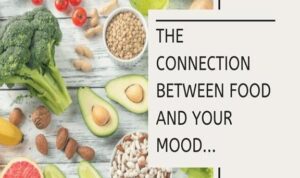
To boost your mental health, focus on eating plenty of fruits and vegetables along with foods rich in omega-3 fatty acids, such as salmon. Dark green leafy vegetables in particular are brain protective. Nuts, seeds and legumes, such as beans and lentils, are also excellent brain foods.
Eat Right
Here’s some food for thought – Making the right nutritional choices can affect more than the fit of our clothes; it can have an impact on our mental health.The trend away from eating less fresh produce and consuming more saturated fats and sugars, including substances like pesticides, additives and trans-fats, can prevent the brain from functioning properly, says the Feeding Minds study. It makes a persuasive link between changing food fads and increases in Attention Deficit Hyperactivity Disorder, Alzheimer’s disease and schizophrenia.
The message is not a new one, but it is perhaps the most forceful argument yet for paying more attention to the nutrition-mental health connection. What we put on our plates becomes the raw material for our brains to manufacture hormones and neurotransmitters – chemical substances that control our sleep, mood and behaviour. If we shortchange the brain, we also shortchange our intellectual and emotional potential.
Our diet also supplies the vitamins which our bodies cannot create, and which we need to help speed up the chemical processes that we need for survival and brain function. Vitamin deficiencies sometimes manifest themselves as depression and can cause mood swings, anxiety and agitation, as well as a host of physical problems.Mental health professionals point out that good eating habits are vital for people wanting to optimize the effectiveness of and cope with possible side effects of medications used to treat mental illnesses.
Clearly, selecting which foods to eat has consequences beyond immediate taste bud satisfaction. To optimize our brain function, we need to eat a balanced diet of:
- Fresh fruits and vegetables
- Foods high in omega-3 fatty acids, such as fish, nuts, seeds and eggs
- Protein
- Whole grains
How are diet and mental health linked?
The relationship between our diet and our mental health is complex. However, research shows a link between what we eat and how we feel.Our diet can affect our brain. Some foods can help us feel better. A Mediterranean-style diet (one with lots of vegetables, seafood, fresh herbs, garlic, olive oil, cereal and grains) supplemented with fish oil can reduce the symptoms of depression. Research has also shown that our gut can reflect how we’re feeling: if we’re stressed, it can speed up or slow down. Healthy food for our gut includes fruit, vegetables, beans and probiotics.
On the other hand, there are two groups of foods that have a negative effect on the brain:
- foods that trick the brain into releasing chemicals we may be lacking, temporarily altering our mood (for example, caffeine and chocolate)
- foods that prevent the conversion of other foods into nutrients the brain needs (for example, saturated fat such as butter, lard and palm oil).
Caffeine can also cause sleep problems, which can worsen your mood. Some people find it makes them irritable and anxious too.
A Healthy Gut
Researchers continue to prove the old adage that you are what you eat, most recently by exploring the strong connection between our intestines and brain. Our guts and brain are physically linked via the vagus nerve, and the two are able to send messages to one another. While the gut is able to influence emotional behavior in the brain, the brain can also alter the type of bacteria living in the gut.
According to the American Psychological Association, gut bacteria produce an array of neurochemicals that the brain uses for the regulation of physiological and mental processes, including mood. It’s believed 95 percent of the body’s supply of serotonin, a mood stabilizer, is produced by gut bacteria. Stress is thought to suppress beneficial gut bacteria.
Mindful Eating
Paying attention to how you feel when you eat, and what you eat, is one of the first steps in making sure you’re getting well-balanced meals and snacks. Since many of us don’t pay close attention to our eating habits, nutritionists recommend keeping a food journal. Documenting what, where and when you eat is a great way to gain insight into your patterns.
If you find you overeat when stressed, it may be helpful to stop what you’re doing when the urge to eat arises, and to write down your feelings. By doing this, you may discover what’s really bothering you. If you undereat, it may help to schedule five or six smaller meals instead of three large ones.
Brain Food
Your brain and nervous system depend on nutrition to build new proteins, cells and tissues. In order to function effectively, your body requires a variety of carbohydrates, proteins and minerals. To get all the nutrients that improve mental functioning, nutritionists suggest eating meals and snacks that include a variety of foods, instead of eating the same meals each day.
Here are the top three foods to incorporate into a healthy mental diet:
- Complex carbohydrates —such as brown rice and starchy vegetables can give you energy. Quinoa, millet, beets and sweet potatoes have more nutritional value and will keep you satisfied longer than the simple carbohydrates found in sugar and candy.
- Lean proteins —also lend energy that allows your body to think and react quickly. Good sources of protein include chicken, meat, fish, eggs, soybeans, nuts and seeds.
- Fatty acids —are crucial for the proper function of your brain and nervous system. You can find them in fish, meat, eggs, nuts and flax seeds.
Healthy Eating Tips
- Steer clear of processed snack foods, such as potato chips, which can impair your ability to concentrate. Pass up sugar-filled snacks, such as candy and soft drinks, which lead to ups and downs in energy levels.
- Consume plenty of healthy fats, such as olive oil, coconut oil and avocado. This will support your brain function.
- Have a healthy snack when hunger strikes, such as fruit, nuts, hard-boiled eggs, baked sweet potatoes or edamame. This will give you more energy than packaged products.
- Develop a healthy shopping list and stick to it.
- Don’t shop while hungry, since you’ll be more apt to make unhealthy impulse purchases.
- Think about where and when you eat. Don’t eat in front of the television, which can be distracting and cause you to overeat. Instead, find a place to sit, relax and really notice what you’re eating. Chew slowly. Savor the taste and texture.
Foods that Boost Mental Health
- When planning out a healthy diet, it’s common to focus on foods geared toward weight loss. While smart caloric intake is vital to overall health, it’s also important to understand how food choices affect your brain. By integrating many of the foods on this list into your diet, not only will you see positive results in your waistline, but you’ll also improve brain function — and potentially help fight cognitive diseases as well.
1. Whole Grains
- Many types of food fall under this category, like beans, soy, oats and wild rice. While your body and brain utilize carbohydrates for energy, too often we consume simple carbs, which lead to blood sugar spikes. Foods classified as whole grains contain complex carbohydrates, which leads to glucose being produced more slowly, as a more even and consistent source of energy.
- Also, whole grains help the brain absorb tryptophan, which means that when eaten in conjunction with foods like chicken and turkey, you can further reduce symptoms of depression and anxiety while boosting brain function.
2. Avocados
- Avocados are full of vitamin K and folate, which help protect your brain against stroke. They also provide a boost to your memory and concentration.
- Avocados serve up a high dose of lutein, too, which studies have linked to improved brain function.
3. Spinach
- Spinach and other leafy greens provide your brain with solid amounts of folic acid, which has been shown to be a great deterrent to depression. It also helps fight off insomnia, which is heavily linked to mental impairments and can help reduce dementia in older adults.
4. Yogurt
- Yogurt and other products containing active cultures are excellent sources of probiotics. Often associated with digestive health, probiotics have been shown to play a role in reducing stress and anxiety.
- Yogurt can also provide you with potassium and magnesium, which helps oxygen reach the brain, further improving its ability to function.
5. Nuts
- Like salmon, nuts are an excellent source of omega-3 fatty acids, helping to fight depression. Cashews, for example, help provide oxygen to the brain with a dose of magnesium.
- Almonds contain a compound called phenylalanine, which is shown to help the brain produce dopamine and other neurotransmitters that boost your mood. Phenylalanine has also been linked to a reduction in the symptoms of Parkinson’s Disease.
6. Olive Oil
- Pure, extra virgin olive oil has been quite popular as of late as a part of healthy Mediterranean-style diets. This type of oil contains polyphenols, which help to remove the effects of proteins linked to Alzheimer’s Disease. It can also help improve learning and memory.
- Be careful when shopping for olive oil, however. Many brands liberally cut their product with vegetable or seed oils, significantly reducing its brain health benefits. Research brands online to find brands tested to ensure they contain pure olive oil.
7. Tomatoes
- The source of a tomato’s red hue, lycopene is classified as an all-around beneficial phytonutrient. One of the many health boosts it provides is in the fight against brain disease. It’s been shown to delay the onset and progression of Alzheimer’s Disease, fighting off cell damage.
- In addition, lycopene has been shown to help with memory, attention, logic and concentration.
8. Dark Chocolate
- Could this be the best news on the list? Dark chocolate is categorized as such due to its cocoa content, which you won’t find in milk chocolate. And the darker the better — 85% cocoa or more is the most beneficial.
- Dark chocolate contains high levels of flavonoids, a type of antioxidant. It has been shown to boost attention and memory, enhance mood and help fight cognitive decline in older adults. Just remember, chocolate should still be consumed in moderation.


DR. NANDHINI V MOHAN
NVM diet and lifestyle clinic
Thanjavur – 613001
(AVAILABLE ONLINE / DIRECT CONSULTATION)
Mob: 9597019032
FOLLOW US @
INSTA: drnandhinivmohan
FB : Dr.Nandhini V Mohan-Nature for health
Email: nandhinimohanbnys@gmail.com


