Managing hypertension or high blood pressure during pregnancy is very crucial. Maternal nutrition from preconception to lactation can influence the growth, development and long-term health of children.
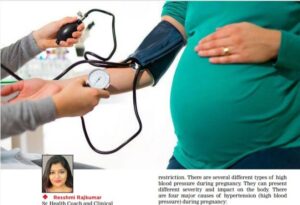

Gestation is a delicate time for any woman. Maternal nutrition from preconception to lactation can influence the growth, development and long-term health of children. During pregnancy there are many changes happening, physical changes, fatigue, mood swings due to hormonal fluctuations leading to cravings for particular foods in particular times, are all normal, temporary, and harmless changes. Tracking the health status of mother and the foetus is crucial.
Hypertension during pregnancy
Hypertension complicates around 1 in 10 pregnancies. Hypertension during pregnancy can tighten the mother’s blood vessels (including those in the umbilical cord), it can reduce oxygen and nutrients to the infant, potentially causing prematurity, low birth weight, and fetal growth restriction. There are several different types of high blood pressure during pregnancy. They can present different severity and impact on the body. There are four major causes of hypertension (high blood pressure) during pregnancy:
Chronic hypertension – Chronic hypertension is defined as hypertension before pregnancy, whether or not the woman was on medication.
Gestational hypertension (also called transient hypertension) – High blood pressure is noted for the first time in pregnancy after 20 weeks of gestation and who has no other symptoms or signs of preeclampsia, such as protein in the urine (proteinuria).
Preeclampsia – Preeclampsia refers to the new onset of hypertension and evidence of organ injury in a pregnant woman during the latter half of gestation. It can complicate many organs, including the kidneys (leading to excess protein in the urine, called proteinuria), the liver, and the brain (leading to headaches and changes in vision and occasionally seizures). Preeclampsia can occur for the first time after delivery. The organ injury typically resolves within several days to weeks after delivery.
Preeclampsia Induced or superimposed upon chronic hypertension – This term describes a woman with chronic hypertension who then develops preeclampsia after the 20th week of pregnancy.
Causes:
First time mothers
- Assisted reproductive technology like IVF
- Age under 20 and over 35
- Having a history of pregnancy related hypertension
- Expecting multiple babies
- Overweight
- Gestational diabetes
- Smoking
- Alcohol consumption
- Lack of physical activity
Diet and Hypertension:
SALT INTAKE: A mother’s salt status not only determines her ability to get pregnant but may control the future health of her infants. Reduction in salt from either a lack of dietary intake (following the low-salt recommendations) or salt loss through nausea and vomiting during pregnancy not only may worsen the health of the mother but can impair the health of the growing child even into adulthood. Pregnancy and lactation place increased nutritional demands on the mother in order to supply the baby with enough nutrients for proper growth and development and salt is one of those nutrients. Salt restriction in pregnant or lactating mothers seems to increase the vulnerability of their children to multiple hazardous outcomes. Choosing the right type of salt and pairing it up with food plays an important role too.
Recommendations:
Choose table salt only for cooking and use pink salt/ or a non-iodised salt for foods like raitas, soups and salads.
CALCIUM AND MAGNESIUM INTAKE: A diet rich in calcium and magnesium prevents high blood pressure in pregnant women. Approximately 99% of the calcium and magnesium in the human body is located in the skeleton. Women have been advised to increase their calcium intake substantially during pregnancy, and there has been concern that many pregnant women do not ingest enough calcium to maintain their own skeletons while providing for fetal needs.
Recommendations:
- Calcium:
- Ensure to have a bowl of curd everyday despite having 2-3 glasses of full fat milk.
- Include regular intake of fish like sardines, salmon, shrimps and red snapper.
- Include dairy products like paneer, butter, cheese like ricotta, mozzarella, cheddar and feta at least three times a week.
- Vegetables and legumes throughout the week.
- Magnesium:
- Dark chocolate, avocados, nuts, leafy vegetables, and legumes.
CHECK FOR VITAMIN – D LEVELS: Most women with high blood pressure during pregnancy have been associated with having dipped down Vitamin-D levels. Vitamin D status of the fetus may be influenced by maternal vitamin D status due to placental transfer and synthesis, or fetal synthesis of the vitamin.
Recommendations:
- Best source of Vitamin – D is sunlight exposure. Ensure to get at least 15-20 minutes of daily dose of sunlight.
- Include regular intake of Mushrooms as they are the only plant source of vitamin-D2. Mushrooms taken regularly in diet could serve as a preventative strategy for lowering the risk of pregnancy-induced hypertension.
- Also, ensure to include whole eggs regularly in your pregnancy meal plan.
Other Dietary Inclusions
- Include small frequent meals if you have difficulty in having big meals during the day.
- Ensure to have a diet plan with a variety of foods to get all nutrients.
- Include Nuts and nut based oils (peanut and coconut) rather than seeds (sunflower). Due to their great antioxidant effect in the body and to protect against the high levels of blood pressure.
- Drink plenty of water to maintain optimal levels of hydration.
- Consume potassium rich foods like ragi, bengal gram, cow pea, moong, peas, red gram, coriander, fenugreek, berries, pomegranate, apricots, cherries, mosambi and guava.
- Frequently include Vitamin A rich foods like yellow pumpkin, carrot, beetroots, spinach, green leafy vegetables.


Sr. Health Coach and Clinical Nutritionist, Bengaluru


