Blurred Vision to Retinal Changes: When Eye Symptoms May Signal Heart Problems. Eyes and heart share the same circulation. A change in one may sometimes provide clues about the other. Never ignore sudden vision loss, and seek prompt medical attention when significant or unexplained eye symptoms occur.
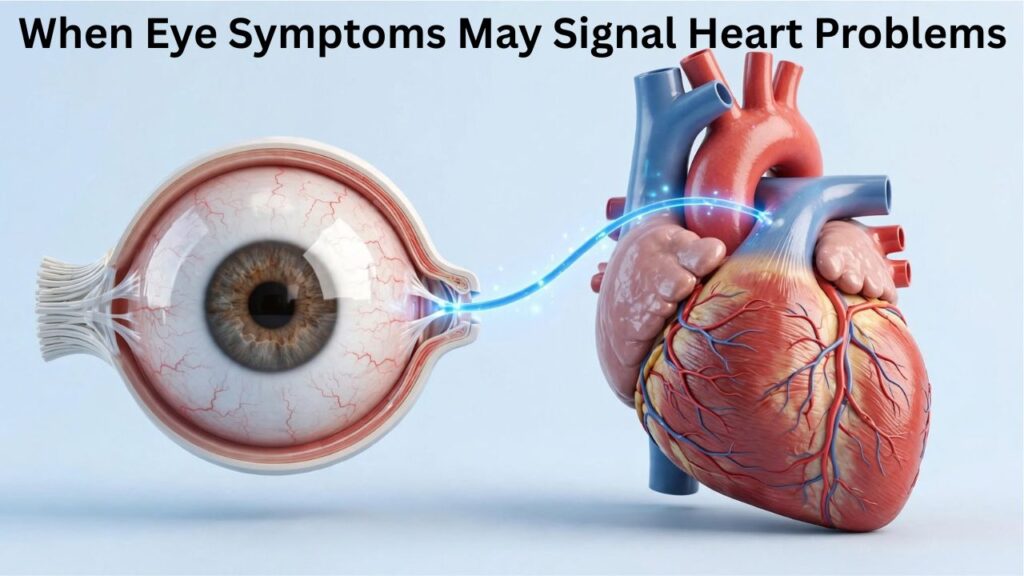

Our eyes are often considered a window to overall health. While blurred vision, flashes or other eye symptoms can have many causes, certain changes in the retina—the light-sensitive layer at the back of the eye—may reflect problems affecting the body’s blood vessels. In particular, conditions such as high blood pressure, diabetes, high cholesterol and cardiovascular disease can affect the tiny blood vessels supplying the retina.
Why Are the Eyes Connected to Heart Health?
The retina contains a network of very small blood vessels that can be examined directly during an eye examination. Damage to these vessels may provide clues about long-standing vascular problems. Uncontrolled high blood pressure, for example, can narrow or damage retinal blood vessels and, in more advanced cases, cause bleeding, fluid accumulation or reduced blood flow. These changes can contribute to blurred or impaired vision.
Because high blood pressure also places continuous strain on the arteries and heart, retinal abnormalities may sometimes prompt doctors to investigate cardiovascular risk factors more carefully.
What Retinal Changes May Be Important?
An eye specialist may identify changes such as narrowed or damaged retinal blood vessels, retinal haemorrhages, swelling or other signs of retinopathy. These findings do not automatically mean that a person has heart disease, but they can be a reason to check blood pressure, blood sugar, cholesterol and other vascular risk factors.
Diabetic retinopathy is another important example. Persistently high blood sugar can damage small blood vessels in the eyes, while diabetes itself is a major risk factor for cardiovascular disease. This illustrates why eye health and heart health should not always be considered separately.
When Sudden Vision Loss Is an Emergency
One of the most important warning signs is sudden, painless loss of vision in one eye. A blockage of the retinal artery can deprive the retina of oxygen and may result in severe, sometimes permanent, vision loss. Retinal artery occlusion is also considered a form of retinal ischemic stroke and can be associated with underlying cardiovascular or carotid artery disease.
Such symptoms should never be dismissed as simply an eye problem. Urgent medical assessment is necessary because the underlying cause may include a blood clot, carotid artery disease or a heart rhythm problem such as atrial fibrillation.
Don’t Ignore Persistent Blurred Vision
Blurred vision does not necessarily indicate heart disease. It may result from refractive errors, cataracts, dry eyes, glaucoma, retinal disorders or many other conditions. However, unexplained or persistent changes deserve an eye examination, particularly in people with hypertension, diabetes, high cholesterol, smoking history or other cardiovascular risk factors.
A comprehensive approach may include an eye examination along with appropriate checks of blood pressure, blood glucose and cholesterol. Controlling these risk factors can help protect both vision and cardiovascular health.
Protect Your Eyes—and Your Heart
Regular eye examinations can do more than check whether you need new glasses. They can sometimes reveal changes in the body’s small blood vessels before more obvious complications develop. At the same time, maintaining healthy blood pressure, blood sugar and cholesterol levels, avoiding tobacco, staying physically active and following a heart-healthy diet can reduce vascular risk.
Also read articles of Dr Hareesh K V


Dr Hareesh K V
Medical director
Abhishek Nethradhama
Krupa Bindu, No.971/37, Mig 15Th A Cross, A Sector
Khb High Rise Apartment
Ambedkar Colony, Yelahanka New town
Bengaluru -64
Ph: 080-4093 3219/77957 15203
Eye Hospital in Yelahanka new town – Abhishek Nethradhama