When a Pellet Enters the Orbit: Understanding a Rare Eye Injury. Orbital air gun pellet injuries may be rare, but their consequences can be life-changing. What may appear to be a harmless recreational device can cause devastating damage to vision and surrounding structures.
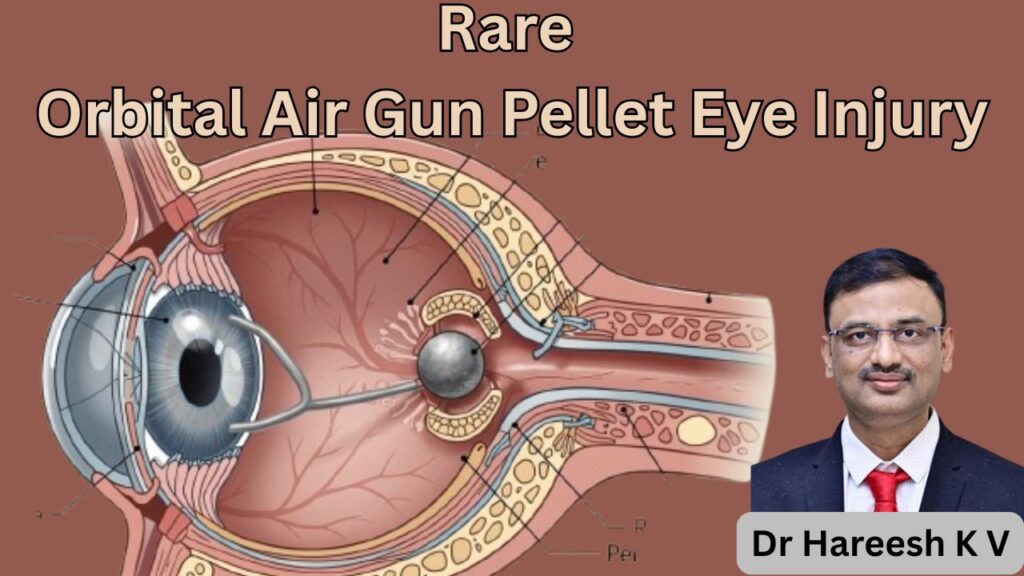

The human eye is one of the most delicate organs in the body, protected by the bony orbit that surrounds it. While this protective structure shields the eye from many injuries, high-velocity objects such as air gun pellets can sometimes penetrate the orbit, causing severe and potentially vision-threatening damage. Though rare, orbital air gun pellet injuries represent a serious medical emergency that requires prompt diagnosis and treatment.
A Rare but Dangerous Injury
Air guns are often perceived as recreational devices rather than weapons. However, modern air rifles and pellet guns can generate enough force to propel pellets at high speeds, making them capable of causing significant injuries. Eye and orbital injuries are among the most devastating consequences of accidental or intentional air gun misuse.
An orbital pellet injury occurs when a pellet penetrates the tissues around the eye and becomes lodged within the eye socket (orbit). Depending on its trajectory, the pellet may damage the eyeball, optic nerve, extraocular muscles, blood vessels, or even extend into adjacent structures such as the sinuses or brain.
How Do These Injuries Occur?
Most orbital pellet injuries occur during:
• Recreational shooting activities
• Hunting accidents
• Improper handling of air guns by children and adolescents
• Lack of protective eyewear
• Accidental discharge at close range
Children and young adults are particularly vulnerable due to inadequate supervision and limited awareness of the risks associated with air guns.
Symptoms and Warning Signs
The severity of symptoms depends on the location and depth of penetration. Common signs include:
• Sudden eye pain
• Swelling around the eye
• Bleeding from the eye or eyelids
• Double vision
• Reduced vision or complete vision loss
• Difficulty moving the eye
• Bulging of the eye
• Headache and dizziness in severe cases
In some situations, the entry wound may appear small, leading patients to underestimate the seriousness of the injury. However, significant internal damage may be present despite minimal external signs.
The Importance of Early Diagnosis
Prompt medical evaluation is critical. Eye specialists often perform a comprehensive ocular examination to assess visual function and identify any damage to surrounding structures.
Imaging studies play a crucial role in diagnosis. CT scans are typically the preferred method because they can accurately locate the pellet and determine its relationship to vital orbital structures. Imaging also helps surgeons decide whether removal is necessary.
Treatment Options
Management depends on several factors, including the pellet’s location, associated injuries, and the patient’s symptoms.
Conservative Management
In some cases, if the pellet is deeply embedded, stable, and not causing symptoms or complications, doctors may choose to monitor the patient closely rather than attempt removal. Surgical extraction may carry greater risks than leaving the pellet in place.
Surgical Removal
Surgery may be required when the pellet:
• Compresses the optic nerve
• Restricts eye movement
• Causes infection
• Produces severe pain
• Threatens vision
• Migrates within the orbit
Advances in ophthalmic and orbital surgery have improved the ability to safely remove foreign bodies while minimizing damage to surrounding tissues.
Possible Complications
Orbital pellet injuries can result in serious complications, including:
• Permanent vision loss
• Retinal damage
• Optic nerve injury
• Orbital infection
• Chronic pain
• Double vision
• Cosmetic deformity
The final visual outcome largely depends on the extent of the initial injury and the speed with which treatment is initiated.
Prevention Is the Best Protection
Most air gun-related eye injuries are preventable. Safety measures include:
• Always wearing protective eye gear during shooting activities
• Keeping air guns away from unsupervised children
• Following firearm safety principles
• Never aiming at people or animals unnecessarily
• Educating users about the potential dangers of air guns
Parents, schools, and community organizations can play a key role in raising awareness about air gun safety.
Also read articles of Dr Hareesh K V


Dr Hareesh K V
Medical director
Abhishek Nethradhama
Krupa Bindu, No.971/37, Mig 15Th A Cross, A Sector
Khb High Rise Apartment
Ambedkar Colony, Yelahanka New town
Bengaluru -64
Ph: 080-4093 3219/77957 15203
Eye Hospital in Yelahanka new town – Abhishek Nethradhama