A Nationwide Upsurge in Pink Eye Conjunctivitis Cases, especially Follicular Conjunctivitis. Be aware, take proper precautions and seek timely treatment!
Monsoon, also known as the flu season, brings with it a host of viral and bacterial infections. The increased humidity and dampness during this season create a favorable atmosphere for bacteria and viruses to thrive. As many of these infections are contagious, they can easily be transmitted from one person to another.
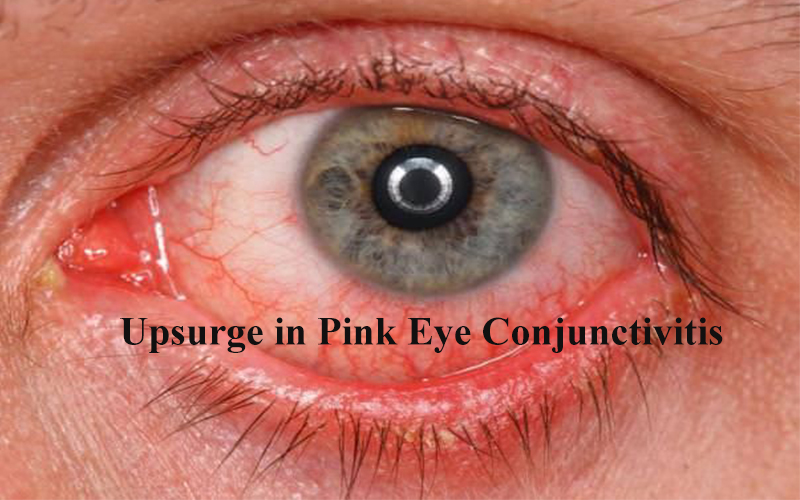

Like every year during this season, even this year, we are witnessing a nationwide upsurge in the cases of ‘Conjunctivitis‘, alsoknown as ‘Pink Eye‘. Conjunctivitis is the inflammation of the conjunctiva, the thin mucous membrane covering the white part of the eye and the inside of our eyelids, caused by various factors, including viral, bacterial infections, parasitic infestation, allergies, or exposure to certain chemicals. Of all the types of conjunctivitis, ‘Follicular Conjunctivitis’, caused by a particular group of viruses like adenovirus, is most commonly seen during this time.
While follicular conjunctivitis can be uncomfortable, it is not typically vision-threatening, and most cases resolve without lasting effects. However, timely treatment and proper care are crucial to prevent complications. It can affect individuals of all ages, but young children, the elderly, and those with weakened immune systems may be more vulnerable to this condition
Doctor’s advice: If you experienceany symptoms of conjunctivitis, seek prompt medical care to prevent complications. Take proper precautions and adhere diligently to the prescribed treatment while practising good hygiene to protect your eyes and prevent infecting those around you. The indiscriminate use of antibiotics and steroids should be avoided and used only under the guidance of a healthcare professional when necessary.
Types of Follicular Conjunctivitis
- Sore throat with conjunctivitis known as ‘Pharyngo-conjunctival-fever (PCF)’: It is often mild and commonly seen in children and young adults who recently had a cold or respiratory infection. Most of the cases we are seeing currently are of PCF.
- Advanced conjunctivitis known as Epidemic keratoconjunctivitis: It is less common and can be severe, affecting the front of the eye (cornea) and may cause long-lasting vision difficulties.
Precautions that can be taken to curb its spread:
- Conjunctivitis is contagious, so the infected person should isolate themselves from other family members and the community.
- Additional precautions to prevent its spread include frequent handwashing, avoiding touching the eyes, and refraining from sharing personal items.
Symptoms
- Redness
- Itching
- Excessive eye discharge
- Sensitivity to light
- In some cases, it can result in fever and mild throat pain
Treatment
Treatment options vary based on the type and cause of the condition. They may include supportive therapy, warm compresses, lubricating eye drops, and analgesics to relieve discomfort or inflammation.
Additionally, avoiding wearing contact lenses and gently cleaning eye discharge with a soft, damp cloth is recommended during treatment.
The indiscriminate use of antibiotics and steroids should be avoided and used only under the guidance of a healthcare professional when necessary.


Dr Muralidhar Ramappa
Cornea Consultant
L V Prasad Eye Institute (LVPEI)


