Unlocking the Medicinal Marvels of Methi (Fenugreek): A Panacea in Your Spice Rack. Methi is not just a spice but a treasure trove of health benefits waiting to be explored. From managing diabetes to promoting heart health and aiding in weight management, the comprehensive guide above highlights the many facets of methi’s contribution to overall well-being
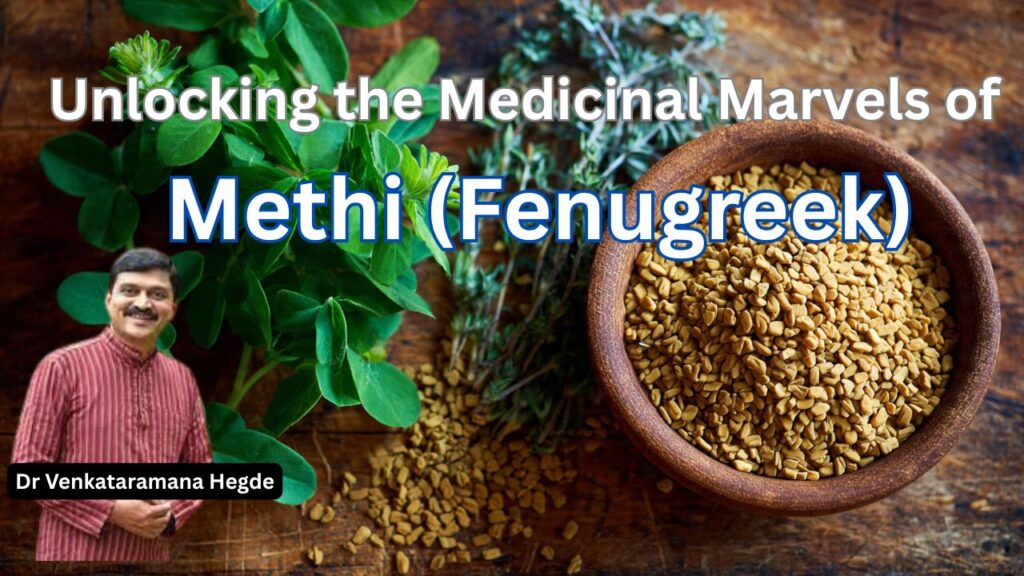

Methi, or Fenugreek, once relegated to a mere condiment, has now emerged as a powerhouse of medicinal properties, surpassing its traditional role as a spice in contemporary households. Today, it is not only cherished for its culinary appeal but also esteemed for its unparalleled healing potential, effectively addressing various ailments associated with the modern lifestyle.
From Indian curries to Middle Eastern dishes, methi leaves and seeds add a unique and aromatic touch to a variety of recipes. The leaves can be used fresh or dried, while the seeds are commonly used as a spice in both whole and powdered forms.
Methi has excelled its culinary confines and become a holistic wellness companion, seamlessly integrating into modern lifestyles with its multifaceted medicinal prowess. As we rediscover the treasures within our spice racks, Methi stands tall as a testament to the enduring synergy between tradition and well-being.
Methi is a nutritional powerhouse, packed with essential vitamins and minerals. Rich in fiber, iron, magnesium, and manganese, methi contributes to overall well-being and supports vital bodily functions. Its seeds are a source of protein, providing an excellent alternative for those following vegetarian or plant-based diets.
Medicinal Benefits:
• Plays a major role in addressing knee pain, joint pain, asthma, male sexual issues, skin conditions and acidity.
• Methi contains antioxidants that help combat oxidative stress in the body, reducing the risk of chronic diseases and supporting overall health. Its anti-inflammatory properties make it beneficial for conditions like arthritis and other inflammatory disorders.
• The soluble fiber in methi seeds slows down the absorption of sugar. The amino acids in Methi make it a potent ally in diabetes management, with a daily intake of 5 grams proving instrumental in controlling blood sugar levels. Alternatively, soaking a couple of teaspoons of fenugreek seeds in water overnight and consuming the infusion on an empty stomach in the morning offers another avenue for reaping its benefits. A combination of equal parts Fenugreek and turmeric, when consumed as a fine powder with water on an empty stomach, proves beneficial in regulating blood sugar levels.
• Drawing from the ancient wisdom of Ayurveda, Methi is believed to harmonize vata and kapha doshas, rendering it effective in addressing a spectrum of issues, including flatulence, constipation, joint pain, phlegm, cough, and asthma.
• Noteworthy anti-obesity and cholesterol-lowering properties.
• Methi has been linked to heart health, with its fiber content aiding in the reduction of cholesterol levels. Additionally, compounds like galactomannan in methi seeds may help lower the risk of cardiovascular diseases by promoting healthy blood lipid profiles.
• The fiber-rich nature of methi makes it an excellent choice for promoting digestive health. It aids in relieving constipation, supports a healthy gut microbiome, and may alleviate symptoms of indigestion. Methi’s anti-inflammatory properties contribute to a well-functioning digestive system.
• Weight management: The soluble fiber content promotes a feeling of fullness, reducing overall calorie intake. Additionally, the herb’s metabolic-boosting properties may contribute to weight loss efforts when combined with a balanced diet and regular exercise.
Special Considerations:
• For lactating mothers, Methi promotes increased breast milk production. A concoction involving soaked Fenugreek seeds, jaggery, and ghee, when consumed regularly, contributes to this natural enhancement.
• A potent solution for constipation – prepare a decoction by boiling Fenugreek seeds in water, reducing it to half a glass, and adding ghee for evening consumption.
• For hair fall, Methi serves as a natural savior. A homemade Fenugreek oil, crafted by infusing 30 grams of Fenugreek powder with 100 to 150 ml of coconut oil and exposed to sunlight for five to six days, becomes a formidable remedy when applied to the scalp nightly.
• Acts as a hair conditioner – soaking Fenugreek seeds in water overnight and applying the resultant paste in the morning not only conditions the hair but also imparts a luxurious shine.
Caution:
• Individuals with bleeding problems, such as nosebleeds or excessive menstrual bleeding, should exercise restraint in the frequent use of Methi.
• Pregnant women are advised to use Methi carefully, avoiding excessive consumption.
Also read : Dr Venkataramana Hegde articles


Dr Venkataramana Hegde
Veda Wellness Center
Nisarga Mane, Sirsi
Uttarakannada District
Ph:9448729434


