

Scientists have identified a key molecular mechanism through which high blood glucose raises cancer risk in obese people and diabetics.
The diabetic population has up to double chances of suffering pancreatic or colon canceramong others, according to well sustained epidemiological studies.
Scientists led by Dr Custodia Garcia-Jimenez at the University Rey Juan Carlos in Madrid have uncovered a key mechanism that links obesity and diabetes with cancer. They found that high sugar levels increase activity of a gene widely implicated in cancer progression.
Garcia Jimenez’s laboratory studied how cells in the intestine respond to sugars and signal to the pancreas to release insulin, the key hormone that controls blood sugar levels.
Sugars in the intestine trigger cells to release a hormone called GIP that enhances insulin release by the pancreas.
In a study published in Molecular Cell, Garcia Jimenez’s team showed that the ability of the intestinal cells to secrete GIP is controlled by a protein called beta-catenin, and that the activity of beta-catenin is strictly dependent on sugar levels.
Increased activity of beta-catenin is known to be a major factor in the development of many cancers and can make normal cells immortal, a key step in early stages of cancer progression.
The study demonstrated that high (but not normal) sugar levels induce nuclear accumulation of beta-catenin and leads to cell proliferation.
“We were surprised to realise that changes in our metabolism caused by dietary sugar impact on our cancer risk. We are now investigating what other
dietary components may influence our cancer risk. Changing diet is one of easiest prevention strategies that can potentially save a lot of suffering and money,” Garcia said.
“Previously we were unsure about how increased blood sugar found in diabetes and obesity could increase cancer risk,” Colin Goding, Professor of Oncology at the University of Oxford, UK said in a statement.
“This study identifies a key molecular mechanism through which high blood glucose would predispose to cancer. It opens the way for potential novel therapies aimed at reducing cancer risk in the obese and diabetic populations,” Goding said.
Higher the Income Higher the chances of Cancer
A survey conducted by WHO in 2015 shows that people belonging to upper-middle class and rich categories suffer with cancers of stomach, liver, colon & rectum and breast cancers compared to poor and low economic class people.
This demonstrates clearly that cancer is a malady of rich and stressed people
“Gatra pradeshe kwachidev doshaaha
sammurchhita mansamasruk pradushya.
Vruttam sthiram mandrujam
mahantamanalpmulam chirvruddhyapakam.
Kurvanti mansocchrayamatyagaadham
Tadarbudam shastravido vadanti.[ Su.Ni. 11]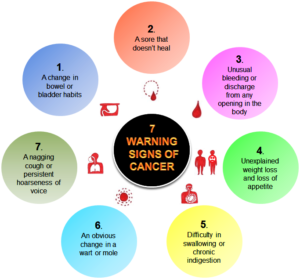

Due to vitiation of the flesh and blood by deranged and aggravated Doshas (vayu, pitta and kapha) a large vegetation of flesh appears at any part of the body which becomes rounded, immovable, slightly painful and has its root considerably deep in the flesh (affected part ).This growth is termed as ARBUD by the learned physicians.
Cancer Prone Personality ?
We know that emotions such as depression, anger, and hostility make us more prone to illness and disease; and it’s been shown that positive attitudes such as hope, optimism, and happiness strengthens our immune system and protects us from disease. Recent studies point to two personality types that seem to make us either cancer-prone or cancer resistant.
Cancer-Prone Personality Types
- Represses both positive and negative emotions.
- Shows anger, resentment, or hostility towards others.
- Takes on extra duties and responsibilities, even when they cause stress.
- Reacts adversely to and does not cope well with life changes.
- Is negative or pessimistic.
- Becomes easily depressed or has feelings of hopelessness.
- Worries often and excessively about others.
- Feels the need for approval and to please others.
Cancer-Resistant Personality Type
- Expresses emotions in a positive and constructive way.
- Controls anger and resolves anger issues positively.
- Knows when to say no.
- Copes well with stress and feels in control of situations.
- Is optimisticand hopeful.
- Does not become easily depressed.
- Seeks out and maintains social support networks.
- Does not worry excessively.
- Likes to please, but does not seek approval as an emotional crutch.
As with everything else, there are always exceptions: some of the most optimistic and positive among us will get cancer, and some of the angriest and most hostile will live to be 100, cancer-free. But when a cancer patient is told that his or her disease is terminal, those who adopt cancer-resistant traits tend to live longer because their newly acquired behaviors will automatically boost immunity.
Mind-body techniques such a meditation and guided imagery can have a positive effect on cancer treatment. A patient’s coping style, behavior, and recovery strategy are critical factors in five-year survival rates. Furthermore, mortality is typically reduced for those who have a social support network compared with those who are socially isolated; and patients who establish a recovery program that includes stress management and relaxation techniques have fewer relapses. So there is, indeed, a link between mind and body when it comes to the effectiveness of cancer therapies.
If researchers have learned anything it’s that even a disease like cancer is much more easily overcome when we use the mind-body connection to help fight it. And that by strengthening and conditioning the mind part of the mind-body connection, we can extend life and optimize the chances of recovery. In future blogs, I’ll discuss using self-healing images and other specific techniques from my book Mind-Body Health & Healing(link is external) that anyone can use to boost immunity and help reverse cancer growth.
- Cancer is one of the leading causes of morbidity and mortality worldwide, with approximately 14 million new cases in 2012 (1).
- The number of new cases is expected to rise by about 70% over the next 2 decades.
- Cancer is the second leading cause of death globally, and was responsible for 8.8 million deaths in 2015. Globally, nearly 1 in 6 deaths is due to cancer.
- Approximately 70% of deaths from cancer occur in low- and middle-income countries.
- Around one third of deaths from cancer are due to the 5 leading behavioral and dietary risks: high body mass index, low fruit and vegetable intake, lack of physical activity, tobacco use, and alcohol use.
- Tobacco use is the most important risk factor for cancer and is responsible for approximately 22% of cancer deaths (2).
- Cancer causing infections, such as hepatitis and human papilloma virus (HPV), are responsible for up to 25% of cancer cases in low- and middle-income countries (3).
- Late-stage presentation and inaccessible diagnosis and treatment are common. In 2017, only 26% of low-income countries reported having pathology services generally available in the public sector. More than 90% of high-income countries reported treatment services are available compared to less than 30% of low-income countries.
- The economic impact of cancer is significant and is increasing. The total annual economic cost of cancer in 2010 was estimated at approximately US$ 1.16 trillion (4).
- Only 1 in 5 low- and middle-income countries have the necessary data to drive cancer policy (5).
The problem
Cancer is a leading cause of death worldwide, accounting for 8.8 million deaths in 2015. The most common causes of cancer death are cancers of:
- Lung (1.69 million deaths)
- Liver (788 000 deaths)
- Colorectal (774 000 deaths)
- Stomach (754 000 deaths)
- Breast (571 000 deaths)
Modify and avoid risk factors
Modifying or avoiding key risk factors can significantly reduce the burden of cancer. These risk factors include:
- tobacco use including cigarettes and smokeless tobacco
- being overweight or obese
- unhealthy diet with low fruit and vegetable intake
- lack of physical activity
- alcohol use
- sexually transmitted HPV-infection
- infection by hepatitis or other carcinogenic infections
- ionizing and ultraviolet radiation
- urban air pollution
- indoor smoke from household use of solid fuels.
Tobacco use is the single most important risk factor for cancer and is responsible for approximately 22% of cancer-related deaths globally (2).
Pursue prevention strategies
To prevent cancer, people may:
- increase avoidance of the risk factors listed above;
- vaccinate against HPV and hepatitis B virus;
- control occupational hazards;
- reduce exposure to ultraviolet radiation;
- reduce exposure to ionizing radiation (occupational or medical diagnostic imaging).
Vaccination against these HPV and hepatitis B viruses could prevent 1 million cancer cases each year (3).
Early detection
Cancer mortality can be reduced if cases are detected and treated early. There are 2 components of early detection:
Early diagnosis
When identified early, cancer is more likely to respond to effective treatment and can result in a greater probability of surviving, less morbidity, and less expensive treatment. Significant improvements can be made in the lives of cancer patients by detecting cancer early and avoiding delays in care.
Early diagnosis consists of 3 steps that must be integrated and provided in a timely manner:
- awareness and accessing care
- clinical evaluation, diagnosis and staging
- access to treatment.
Early diagnosis is relevant in all settings and the majority of cancers. In absence of early diagnosis, patients are diagnosed at late stages when curative treatment may no longer be an option. Programmes can be designed to reduce delays in, and barriers to, care, allowing patients to access treatment in a timely manner.
Screening
Screening aims to identify individuals with abnormalities suggestive of a specific cancer or pre-cancer who have not developed any symptoms and refer them promptly for diagnosis and treatment.
Screening programmes can be effective for select cancer types when appropriate tests are used, implemented effectively, linked to other steps in the screening process and when quality is assured. In general, a screening programme is a far more complex public health intervention compared to early diagnosis.
Examples of screening methods are:
- visual inspection with acetic acid (VIA) for cervical cancer in low-income settings;
- HPV testing for cervical cancer;
- PAP cytology test for cervical cancer in middle- and high-income settings; and
- mammography screening for breast cancer in settings with strong or relatively strong health systems.
Treatment
A correct cancer diagnosis is essential for adequate and effective treatment because every cancer type requires a specific treatment regimen that encompasses one or more modalities such as surgery, radiotherapy, and chemotherapy. Determining the goals of treatment and palliative care is an important first step, and health services should be integrated and people-centred. The primary goal is generally to cure cancer or to considerably prolong life. Improving the patient’s quality of life is also an important goal. This can be achieved by supportive or palliative care and psychosocial support.
Potential for cure among early detectable cancers
Some of the most common cancer types, such as breast cancer, cervical cancer, oral cancer, and colorectal cancer have high cure rates when detected early and treated according to best practices.
Potential for cure of some other cancers
Some cancer types, even when cancerous cells have traveled to other areas of the body, such as testicular seminoma and leukaemias and lymphomas in children, can have high cure rates if appropriate treatment is provided.
Palliative care
Palliative care is treatment to relieve, rather than cure, symptoms caused by cancer and improve the quality of life of patients and their families. Palliative care can help people live more comfortably. It is an urgent humanitarian need for people worldwide with cancer and other chronic fatal diseases and particularly needed in places with a high proportion of patients in advanced stages of cancer where there is little chance of cure.
Relief from physical, psychosocial, and spiritual problems can be achieved in over 90% of advanced cancer patients through palliative care.
Palliative care strategies
Effective public health strategies, comprising of community- and home-based care are essential to provide pain relief and palliative care for patients and their families in low-resource settings.
Improved access to oral morphine is mandatory for the treatment of moderate to severe cancer pain, suffered by over 80% of cancer patients in terminal phase.
WHO response
In 2017, the World Health Assembly passed the resolution Cancer Prevention and Control through an Integrated Approach (WHA70.12), urging governments and WHO to accelerate action to achieve the targets specified in the Global Action Plan and 2030 UN Agenda for Sustainable Development to reduce premature mortality from cancer.
Cancer Facts in India
- There are more than 100 types of cancers; almost any part of the body can be affected.
- The five most frequent cancers (ranking defined by total number of cases) in India in men and women are breast, cervical, oral cavity, lung and colorectal.
- Cancer is the second most common cause of death in India (after cardiovascular disease).
- Use of tobacco products (e.g. smoking cigarettes) are the single most preventable cause of death worldwide.
- More women in India die from cervical cancer than in any other country.
- Breast cancer is the most common cancer in women in India and accounts for about a quarter of all cancers in women in Indian cities.
- The average age for breast cancer in India is almost a decade lower than that in the West.
- Cancers of major public health relevance such as breast, cervical, oral and colorectal cancer can be cured if detected early and treated adequately.
- Cancers of the oral cavity as well as lung cancers due to chewing or smoking tobacco can be prevented.
STATISTICS
The top five cancers in men and women account for 47.2% of all cancers; these cancers can be prevented, screened for and/or detected early and treated at an early stage [10]. This could significantly reduce the death rate from these cancers.
| Men | Women | |
| 1 | LIP,ORAL CAVITY | BREAST |
| 2 | LUNG | CERVIX |
| 3 | STOMACH | COLORECTUM |
| 4 | COLORECTUM | OVARY |
| 5 | PHARYNX | LIP,ORAL CAVITY |
Good Nutritional Habits
1- Eat whole grain bread and cereals
2- food pyramid new
3- Avoid refined food products
4- Eat foods low in calorie and fat
5- Limit eating high calorie baked foods (cakes, cookies, doughnuts). Read about high calorie foods.
6- Avoid eating deep fried foods (samosa, kachori, puri, bhatoore)
Do’s And Don’ts
Do’s
1- Adopt a healthy lifestyle
2- Keep your weight in the normal range
3- Be physically active
4- Go for regular health checkups and cancer screening
5- Eat plenty of fresh vegetables and fruits
6- Be aware of warning signs and symptoms
7- Adopt safe sexual practices
8- Avoid/limit exposure to known environmental carcinogens
Don’ts
1- Do not use tobacco in any form tobacco
2- Limit alcohol consumption
3- Avoid spicy, fried, preserved and junk food
4- Avoid sedentary lifestyle


Dr. Tejaswi K.P.
Reader- Dept. of Surgery, Bhagwan Buddha Homeo Medical college, Mallathalli, Bangalore
Consultanat- Surabhi Homeo clinic, Vidyaranyapura, Bangalore-97
Mob-97311 33819 Email-drtejas2000@rediffmail.com


