Prostate gland enlargement or Benign prostatic hyperplasia (BPH) is a common condition as men get older. A diet rich in fruits, vegetables, and healthy fats is thought to protect the prostate.
Benign prostatic hyperplasia (BPH) — also called prostate gland enlargement — is a common condition as men get older. An enlarged prostate gland can cause uncomfortable urinary symptoms, such as blocking the flow of urine out of the bladder. It can also cause bladder, urinary tract or kidney problems. There are several effective treatments for prostate gland enlargement, including medications, minimally invasive therapies and surgery.
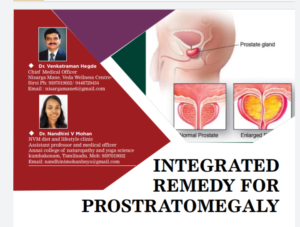

Symptoms
The severity of symptoms in people who have prostate gland enlargement varies, but symptoms tend to gradually worsen over time. Common signs and symptoms of BPH include:
- Frequent or urgent need to urinate
- Increased frequency of urination at night (nocturia)
- Difficulty starting urination
- Weak urine stream or a stream that stops and starts
- Dribbling at the end of urination
- Inability to completely empty the bladder
Less common signs and symptoms include:
- Urinary tract infection
- Inability to urinate
- Blood in the urine
The size of your prostate doesn’t necessarily determine the severity of your symptoms. Some men with only slightly enlarged prostates can have significant symptoms, while other men with very enlarged prostates can have only minor urinary symptoms. In some men, symptoms eventually stabilize and might even improve over time.
Other possible causes of urinary symptoms
Conditions that can lead to symptoms similar to those caused by enlarged prostate include:
- Urinary tract infection
- Inflammation of the prostate (prostatitis)
- Narrowing of the urethra (urethral stricture)
- Scarring in the bladder neck as a result of previous surgery
- Bladder or kidney stones
- Problems with nerves that control the bladder
- Cancer of the prostate or bladder
Causes
Comparing normal and enlarged prostate glands Open pop-up dialog box
- The prostate gland is located beneath your bladder. The tube that transports urine from the bladder out of your penis (urethra) passes through the centre of the prostate. When the prostate enlarges, it begins to block urine flow.
- Most men have continued prostate growth throughout life. In many men, this continued growth enlarges the prostate enough to cause urinary symptoms or to significantly block urine flow.
- It isn’t entirely clear what causes the prostate to enlarge. However, it might be due to changes in the balance of sex hormones as men grow older.
Risk factors
- Prostate gland enlargement rarely causes signs and symptoms in men younger than age 40. About one-third of men experience moderate to severe symptoms by age 60, and about half do so by age 80.
- Family history.Having a blood relative, such as a father or a brother, with prostate problems means you’re more likely to have problems.
- Diabetes and heart disease.Studies show that diabetes, as well as heart disease and use of beta blockers, might increase the risk of BPH.
- Obesity increases the risk of BPH, while exercise can lower your risk.
Complications
- Sudden inability to urinate (urinary retention).You might need to have a tube (catheter) inserted into your bladder to drain the urine. Some men with an enlarged prostate need surgery to relieve urinary retention.
- Urinary tract infections (UTIs).Inability to fully empty the bladder can increase the risk of infection in your urinary tract. If UTIs occur frequently, you might need surgery to remove part of the prostate.
- Bladder stones.These are generally caused by an inability to completely empty the bladder. Bladder stones can cause infection, bladder irritation, blood in the urine and obstruction of urine flow.
- Bladder damage.A bladder that hasn’t emptied completely can stretch and weaken over time. As a result, the muscular wall of the bladder no longer contracts properly, making it harder to fully empty your bladder.
- Kidney damage.Pressure in the bladder from urinary retention can directly damage the kidneys or allow bladder infections to reach the kidneys.
Foods to eat
A diet rich in fruits, vegetables, and healthy fats is thought to protect the prostate.
- Salmon: Salmon is rich in healthy fats that contain omega-3 fatty acids, which help prevent and reduce inflammation within the body. Other cold-water fish, such as sardines and trout, are also rich in these types of fats.
- Tomatoes: Tomatoes are packed with lycopene, an antioxidant that may benefit prostate gland cells. Cooking tomatoes, such as in tomato sauce or soup, helps to release the lycopene and make it more readily available to the body.
- Berries: Strawberries, blueberries, raspberries, and blackberries are excellent sources of antioxidants, which help to remove free radicals from the body. Free radicals are the byproducts of reactions that occur within the body and can cause damage and disease over time.
- Broccoli: Broccoli and other cruciferous vegetables, including bok choy, cauliflower, Brussels sprouts, and cabbage, contain a chemical known as sulforaphane. This is thought to target cancer cells and promote a healthy prostate.
- Nuts: Nuts are rich in zinc, a trace mineral. Zinc is found in high concentrations in the prostate and is thought to help balance testosterone and DHT. Besides nuts, shellfish and legumes are also high in zinc.
- Citrus: Oranges, lemons, limes, and grapefruits are all high in vitamin C, which may help to protect the prostate gland.
- Onions and garlic: One study found that men with BPH tended to eat less garlic and onions that men without BPH. More research is needed to confirm these results, but onions and garlic are healthful additions to most diets.
Foods to avoid
- Red meat: Research suggests that going red meat-free may help improve prostate health. In fact, daily meat consumption is believed to triple the risk of prostate enlargement.
- Dairy: Similarly to meat, regular consumption of dairy has been linked to an increased risk of BPH. Cutting out or reducing butter, cheese, and milk may help reduce BPH symptoms.
- Caffeine: Caffeine may act as a diuretic, which means that it increases how much, how often, and how urgently a person has to urinate. Cutting back on coffee, tea, soda, and chocolate may improve urinary symptoms of BPH.
- Alcohol: Alcohol can also stimulate urine production. Men with BPH may find that their symptoms are improved by giving up alcohol.
- Sodium: A high salt intake may increase the urinary tract symptoms associated with BPH. Following a low-sodium diet by not adding salt to meals and avoiding processed foods may be helpful for some men.
Lifestyle tips for managing BPH
Lifestyle tips that may help someone manage the symptoms of an enlarged prostate include the following:
- Attempt to urinate at least once before leaving home to avoid urinary leakage or other incidents in public that can be very stressful and embarrassing.
- Double void by trying to urinate again a few minutes after urinating the first time, to drain the bladder as much as possible during bathroom visits.
- Try not to drink fluids in the 2 hours before bedtime to avoid going to sleep with a full bladder.
- Try to stay hydrated by drinking at least 2 litres of water daily.
- Try maintaining a healthy body weight as much as possible.
- Exercise regularly and as often as possible.
- Try not to drink too much at one time.
- Try to reduce or avoid stress to reduce the urge for urination.
- Avoid or limit products that cause dehydration, such as cold medications and decongestants
- Use absorbent urinary pads or pants to absorb urine leaks and decrease wetness and discomfort.
- Use urinary sheaths, which are condom-shaped and fit over the penis to drain urine into a small bag strapped to the leg.
- Use urethral massage, after urinating, by gently pressing the fingers upwards from the base of the scrotum to try to squeeze out any urine left in the urethra and prevent any leakage later.
Natural herbs and Supplements:
1.Saw palmetto: Saw palmetto is one of the most popular herbal supplements taken for BPH. The extract comes from ripened berries of the saw palmetto shrub. Extracts are thought to prevent testosterone from breaking down and triggering prostate tissue growth, similar to the 5-alpha reductase inhibitor medications.
2. Beta-sitosterol: This compound is extracted from pollen of rye grass. There has been some evidence that it provides relief from urinary symptoms
3. Pygeum (African plum extract): Pygeum has also been shown to contain a wide range of fatty acids, alcohols, and sterols such as beta-sitosterol that have an antioxidant and anti-inflammatory effect on the urogenital tract.
4. Zi-Shen Pill (ZSP): TheZi-Shen Pill (ZSP) contains a mixture of three plants, including Chinese cinnamon.The formula comes from ancient Chinese medicine dating back to the 13th century.
5. Orbignyaspeciosa (babassu): Babassu or Orbignyaspeciosa is a species of palm tree native to Brazil. Several indigenous Brazilian tribes and communities use the dried or ground kernels from the tree to treat urogenital symptoms and conditions.Oil from babassu nuts has also inhibit the production of testosterone, while other parts of the nut contain compounds with anti-inflammatory and antioxidant properties.
6. Cucurbita pepo (pumpkin seed): Pumpkin seeds contain beta-sitosterol, a compound similar to cholesterol and found in some plants. Beta-sitosterol may improve urine flow and reduce the amount of urine left in the bladder after urination.
7. Lycopene : Lycopene is a naturally occurring pigment found in many fruits and vegetables.Tomatoes are the richest source of lycopene available to most people. But a few other fruits and vegetables contain lower levels of this antioxidant.Usually, the deeper pink or red the fruit or vegetable is in color, the higher its lycopene content.
Other sources of lycopene include:
- papaya
- pink grapefruit
- watermelon
- guava
- carrots
- red bell peppers
- apricots
- red cabbage
8. Zinc: Chronic zinc deficiencies have been shown to potentially increase the likelihood of developing BPH. Taking zinc supplements, or increasing dietary intake of zinc may help reduce urinary symptoms associated with an enlarged prostate.Zinc is found in poultry, seafood, and several types of seeds and nuts, such as sesame and pumpkin.
9.Green tea: Green tea has a lot of antioxidants called catechins that have been shown to enhance the immune system and potentially slow the progression of prostate cancer.It is important to keep in mind that green tea contains caffeine. Caffeine can stimulate the bladder and cause a sudden urge to urinate, potentially worsening BPH symptoms.
10. Stinging Nettle: Stinging nettle leaves may cause sharp, intense pain, but its extract has benefits for the prostate. The root contains essential bioactive phytochemicals that help shrink prostate tissue. Being a natural diuretic, it also encourages the elimination of inflammatory wastes through urination. You can have stinging nettle as a drink by simply adding 1 teaspoon of dried leaves in hot water. Let it sit for 10 minutes, then strain. You can drink this tea mix 2 to 3 times daily. Always consult your physician before taking any supplement to determine the correct dosage for your size and condition.
11.Apple Cider Vinegar: Apple cider vinegar is very good for your prostate. The unfiltered, raw apple cider vinegar features astringent properties, helping shrink the swollen prostate glands. Also, it aids weight loss and helps prevent complications of enlarged prostate such as UTIs. You simply need to mix 1-2 tablespoon of raw, unfiltered apple cider vinegar with 1 tablespoon of honey in one glass of warm water. Drink this at least twice per day. Another option with apple cider vinegar is adding about 1 cup to a bathtub of cool water and soaking in it for about 10 minutes.
12.Sesame seeds: Sesame seeds are rich in zinc. The mineral is essential to the health of the prostate, Men with either BPH or prostate cancer have lower levels of zinc in their bodies, sometimes up to 75 percent lower than those with healthy prostates. Zinc that comes from food is easier to absorb than zinc supplements. Help your body by snacking on sesame seeds. Almonds, adzuki beans, and pumpkin seeds are also high in zinc.
13. Avocados: Avocados are rich in beta-sitosterol, a plant sterol thought to reduce symptoms associated with BPH. Some men taking beta-sitosterol supplements say they have better urinary flow and less residual urine volume. Besides avocados, other foods rich in beta-sitosterol include:
- pumpkin seeds
- wheat germ
- soybeans
- pecans
Sitz Bath
A sitz bath is an old fashioned method that really works when it comes to soothing an enlarged prostate. The hot bath relaxes the pelvic muscles, and promotes healing. The cold bath eases pain and reduces swelling. For this method you just need to fill the bathtub with the warm water and then add ½ cup of Epsom salt to it. And, in another bathtub (or large container), you fill with cold water and add several drops of lavender essential oil to the bathtub. Now, you sit in the bathtub containing hot water for about 3 minutes. Then, move to the one with cold water for 1 minute.


Dr Venkataramana Hegde
Veda wellness center
Nisarga Mane Sirsi
Uttarakannada District
Ph: 9597019032/ 9448729434
Email : nisargamane6@gmail.com
Dr. Nandhini V mohan
NVM DIET AND LIFESTYLE CLINIC
Assistant professor and medical officer
Annai college of naturopathy and yoga science
kumbakonam, Tamilnadu.
Watsapp-9597019032 (Online consultation available)
Email: nandhinimohanbnys@gmail.com


