

Let us Understand Lupus better. World lupus day is marked on the 10th May of every year. It is a global health problem. Understanding the disease better will help patients have a better control over it.
Systemic Lupus Erythematosus or lupus is a chronic autoimmune condition. Our immune system goes haywire, produces auto antibodies that cause damage to healthy tissues like skin, joints, heart, kidneys etc.
How common is it?
Not a very familiar term, unless someone in the family or a close friend circle gets affected with it. It affects 3 in 100000 population in India. 9 out of 10 are women.
Lupus symptoms: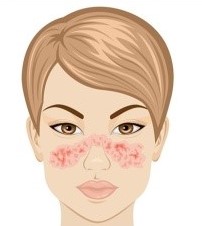

- Common symptoms are rashes, hairfall, fever, fatigue, weight loss, joint pains etc. Photosensitive skin rash on the face, across the nose, called the butterfly rash is characteristic. Mouth ulcers and severe fatigue are common.
- Kidney disease if not promptly diagnosed and treated may result in dialysis or transplant. Some people with lupus may have antiphospholipid syndrome which causes a blood clotting tendency in arteries and veins and miscarriages.
- Anxiety, depression usually accompany. Migraine, dizziness, memory loss, confusion, fits may be signs of brain involvement. Patients with lupus are more likely to develop heart attack due to cardiovascular disease.
Diagnosis:
It is through a combination of history, physical examination, blood and urine tests and sometimes a biopsy of affected tissue like kidney. Most if not all patients with lupus have a positive anti nuclear antibody, detected on a blood test.
What are the treatment options available? Is there a cure?
There is no cure, however several drugs are available for treatment. Steroids are used for life threatening emergencies. Hydroxychloroquine is given to all patients for skin and joint disease, reducing cholesterol and preventing clots. Mycophenolate mofetil, azathioprine, tacrolimus are used for different indications. Biologic therapies like rituximab and belimumab are used for severe and resistant cases. There is ongoing research in the quest for newer and better therapies.
What is the outlook for lupus patients?
The outlook has changed due to availability of better medications. Early referral to a rheumatologist makes a lot of difference. Delay in treatment can lead to organ and life threatening consequences.
Pregnancy and lupus
Most patients can have a normal pregnancy. It should be planned when lupus has been quiet for at least 6-12months and whilst on minimal medications. Active kidney disease is a contraindication.
Does diet play a role?
A number of studies have shown link between the gut microbiome and immunity. Foods rich in omega3 fatty acids like fish oil, salmon, tuna, olive oil and flaxseeds help. Moderate protein and fibre intake is essential. Salt intake should be less than 3g per day. Curcumin or turmeric has an anti inflammatory effect and should be liberally used in cooking.
Some Do’s and Dont’s:
- Avoid sunlight, use a hat, a sunscreen with SPF 50 or above
- If you are on medications suppressing your immune system, avoid close contact with anyone having chickenpox
- Avoid live vaccines like yellow fever, typhoid, oral polio whilst on immunosuppressants
- Take a vaccination for pneumonia and a yearly flu vaccination
- Do not smoke
- Avoid hormonal pills and oral contraceptives
- Eat a balanced healthy diet, exercise regularly and get adequate rest
Living with lupus
Lupus can have a significant impact on patients as it may affect their social life, relationship with family and peers. Joining lupus support groups may be extremely beneficial to patients. Everyone’s journey is different. Sharing experiences with others may help and boost confidence. Of course the friendly rheumatologist will be always ready to offer any help or advise, tackle many misconceptions.


Dr Chethana Dharmapalaiah
Consultant, Rheumatology,
Aster CMI Hospital
Hebbal, Bengaluru- 560092
Ph: 080-43420100


